If you’ve been searching “how does Ozempic work” because you’re curious about GLP-1 medications for weight loss, you’re not alone. Semaglutide (the active ingredient in Ozempic) has transformed how we approach stubborn weight that diet and exercise alone haven’t budged. We believe real transformation happens when you combine powerful medications with targeted body sculpting, skin tightening, and lifestyle guidance.
In this guide, we break down exactly how Ozempic (and other GLP-1s) work, the science behind appetite suppression, insulin regulation, and delayed gastric emptying, what results you can realistically expect, and how non-invasive body treatments may support the physical changes that can occur during and after significant weight loss.
What is Ozempic and Why is It Used for Weight Loss?
Ozempic is a brand name for semaglutide, a synthetic version of the natural gut hormone GLP-1 (glucagon-like peptide-1). Originally approved for type 2 diabetes, it’s now widely used (often off-label or via higher-dose formulations like Wegovy) for chronic weight management in people with obesity or overweight plus related health conditions.
Unlike older weight-loss drugs that simply revved up metabolism or suppressed appetite through stimulants, semaglutide works with your body’s own systems. It mimics GLP-1, which your intestines naturally release after eating. The difference? The medication version lasts much longer, delivering steady, powerful effects on hunger, blood sugar, and digestion.
The Science: How Ozempic Works in Your Body (3 Key Mechanisms)
Ozempic targets multiple systems at once for sustainable weight loss. Here’s the breakdown:
Appetite Suppression & Increased Satiety (The Brain Effect)
GLP-1 receptors in your brain’s hypothalamus (the appetite control centre) get activated. This dials down hunger signals and boosts feelings of fullness. Many people describe it as “food noise” finally going quiet, allowing you to eat less without feeling deprived. Studies show it also reduces cravings for high-calorie foods.
Insulin Regulation & Blood Sugar Control (The Pancreas Effect)
It stimulates insulin release from the pancreas when blood sugar is high (glucose-dependent, so low risk of hypoglycaemia). At the same time, it lowers glucagon (the hormone that raises blood sugar). The result? Better insulin sensitivity, fewer blood sugar spikes, and less fat storage. This is especially helpful if insulin resistance has been holding back your weight loss.
Delayed Gastric Emptying (The Stomach Effect)
Food leaves your stomach more slowly, so you feel fuller for longer after meals. This also smooths out post-meal glucose spikes. The combined effect of prolonged satiety and fewer cravings leads to a natural calorie deficit without extreme dieting.
These three actions work together: you eat less, store less fat, and feel satisfied on smaller portions.
Realistic Expectations: Timelines & Average Weight Loss Results
Ozempic isn’t a quick-fix injection, but a tool that works best with consistency. Here’s what a clinical trial from the New England Journal of Medicine shows:
- Weeks 1–4: Dose titration (starting low to minimise side effects). Appetite suppression often kicks in within 2–3 weeks. Many people lose 3–5% of their body weight.
- Months 3–6: Full therapeutic dose reached. Average loss accelerates to 8–12% of starting weight.
- 12+ Months: Clinical trials show ~15% average body weight loss at higher doses when combined with lifestyle changes. Genetics, starting weight, diet, and exercise all play a role in how much weight is lost.
Important: Weight loss slows or plateaus as your body adapts. If you stop the medication, most people regain weight unless strong habits are in place. Resistance training, adequate protein intake, and, where appropriate, non-invasive body contouring treatments are approaches some people explore to protect muscle and maintain body composition during this process.
Potential Side Effects & Safety Considerations
Most side effects are gastrointestinal (nausea, vomiting, diarrhoea, constipation, abdominal discomfort) and tend to improve after the first few weeks as your body adjusts. Serious risks are rare but may include gallbladder issues, pancreatitis, and thyroid concerns, making medical supervision essential.
Recent data also highlights the importance of preserving muscle and bone during rapid loss. Protein-rich nutrition and strength training are widely recommended to help preserve muscle during rapid weight loss. Our non-invasive muscle-building and skin-tightening treatments are also options some people explore as additional support.
Why Combine GLP-1s with Body Catalyst’s Non-Invasive Treatments?
GLP-1 medications like semaglutide (Ozempic/Wegovy) can be impactful for overall fat loss, often delivering 10–15%+ body weight reduction. But rapid, significant weight loss comes with two challenges that can leave people feeling frustrated despite the scale victory.
Muscle Loss
Clinical studies consistently show that 25–40% of the weight lost on GLP-1 therapies can come from lean muscle mass rather than fat alone. This happens because the powerful appetite suppression creates a deep calorie deficit, often leading to lower protein intake and reduced natural movement. The result? A “skinny fat” appearance, slower metabolism, reduced strength, and increased risk of weight regain once the medication stops. Preserving and rebuilding muscle is critical for long-term metabolic health and body composition.
Skin Laxity
When fat is lost quickly, your skin often can’t keep up. It was stretched over years and now lacks the time or elasticity to retract properly. This leads to loose, sagging skin, especially on the abdomen, arms, thighs, neck, and face (commonly called “Ozempic face”). Age, genetics, and the speed of weight loss make it more noticeable.
Non-invasive body contouring treatments may help address these concerns as part of a broader approach to body composition. While GLP-1s handle the big-picture fat reduction, our treatments are precision tools that address stubborn pockets of fat, loose skin, and muscle loss.
Our advanced body contouring treatments include:
Many of our clients combine GLP-1 support with our programs for faster, more visible, and longer-lasting results. We also work closely with nutritionists and health professionals to create holistic, personalised plans.
Is GLP-1 Therapy Right for You?
GLP-1 medications like semaglutide (Ozempic or Wegovy) are powerful tools, but they’re not the right fit for everyone. The TGA-approved Product Information for Wegovy, states its indication as an adjunct to a reduced-energy diet and increased physical activity for chronic weight management in adults with an initial BMI of ≥30 kg/m² (obesity), or ≥27 kg/m² to <30 kg/m² (overweight) in the presence of at least one weight-related comorbidity.
Suitability is always determined through a thorough medical assessment by a qualified healthcare professional, who will review your health history, current medications, and individual circumstances. GLP-1 therapy requires ongoing medical supervision, it is not a decision to make without professional guidance.
If you’re considering GLP-1 medications, speaking with your GP is the right first step. They can assess whether semaglutide or another GLP-1 option is appropriate for your situation, and discuss any risks or contraindications relevant to your health.
What If GLP-1 Therapy Isn’t the Right Option for You?
Non-invasive body contouring is also a viable standalone option for people who prefer to avoid medication or for whom GLP-1 therapy is not appropriate.
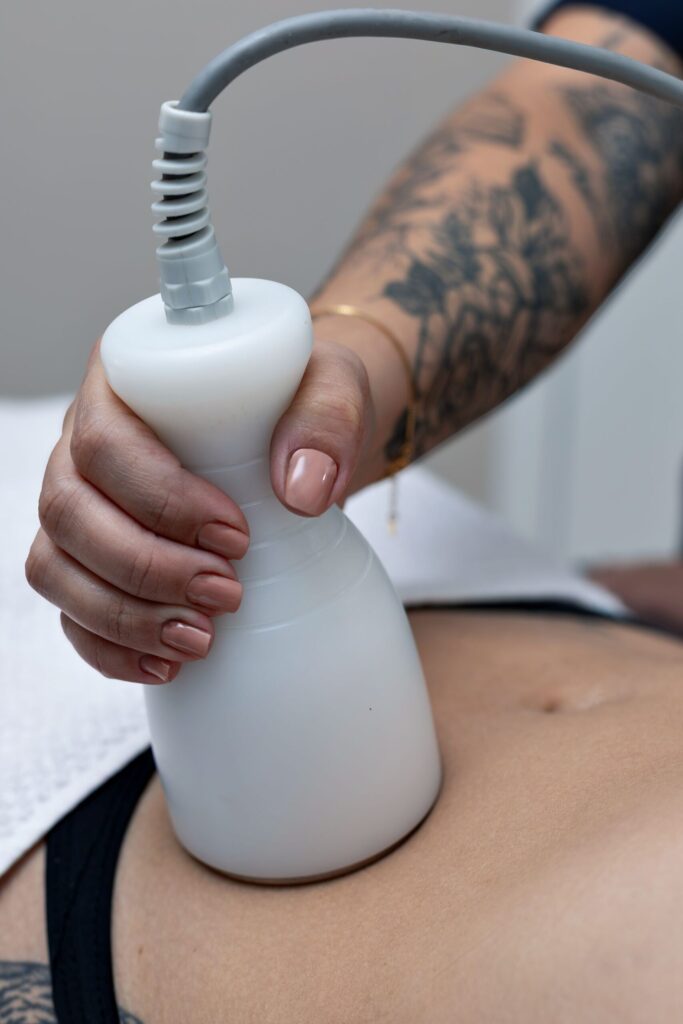
Our TGA-approved technologies (including fat freezing, ultrasound cavitation, HIFU skin tightening, RF skin tightening, and Tesla muscle building) deliver targeted fat reduction, skin firming, and body contouring without surgery or injections.
Many clients achieve excellent results through these standalone treatments or by combining them with personalised nutrition plans and strength training. We create a completely customised roadmap based on your body, preferences, and timeline for lasting results.
Ready for a Science-Backed, Results-Driven Approach to Weight Loss?
At Body Catalyst, we help you sculpt the confident, healthy version of yourself.
If you’re managing weight loss and want to understand how non-invasive body sculpting and skin tightening may support your results, book a free consultation with our team to discuss your goals.
We have clinics across Australia and offer both in-person and virtual options. Make the shift today.
FAQs
This article is for educational purposes only and is not medical advice, and does not promote the use of any prescription medication. Always consult a qualified healthcare provider before starting any medication or treatment.