Most people who are concerned about love handles manage it the same way: more side crunches, extra cardio, and tighter restrictions. And when nothing shifts, it’s easy to assume that you just need to try harder. But here’s the thing: the flanks and waist are the last place your body lets go of fat, and no amount of targeted exercise will change that order. Your obliques can get stronger, but the fat sitting on top of them won’t budge just because you worked them harder.
That’s not a reason to give up. It’s a reason to stop doing the wrong things and start doing the right ones.
Let’s break down what actually causes love handles, for women and men, why they’re so intent on staying, and what a realistic, effective approach looks like in how to reduce love handles. Whether you’re starting with lifestyle changes or ready to explore non-invasive treatments, this is the full picture.
Key Insights
- Love handles are subcutaneous fat stored around the flanks and waist, and they’re stubborn by design
- You can’t spot-reduce fat by targeting that area with exercise alone
- A calorie deficit, strength training, and consistent cardio form the foundation of any effective approach
- Hormones, genetics, and lifestyle factors often explain why results plateau despite effort
- Non-invasive treatments like fat freezing and body contouring can target localised fat once you’re close to your goal weight
- Realistic timeframes: 8–12 weeks for noticeable lifestyle results; 12-16 weeks for full treatment outcomes
Why Love Handles Are So Hard to Lose
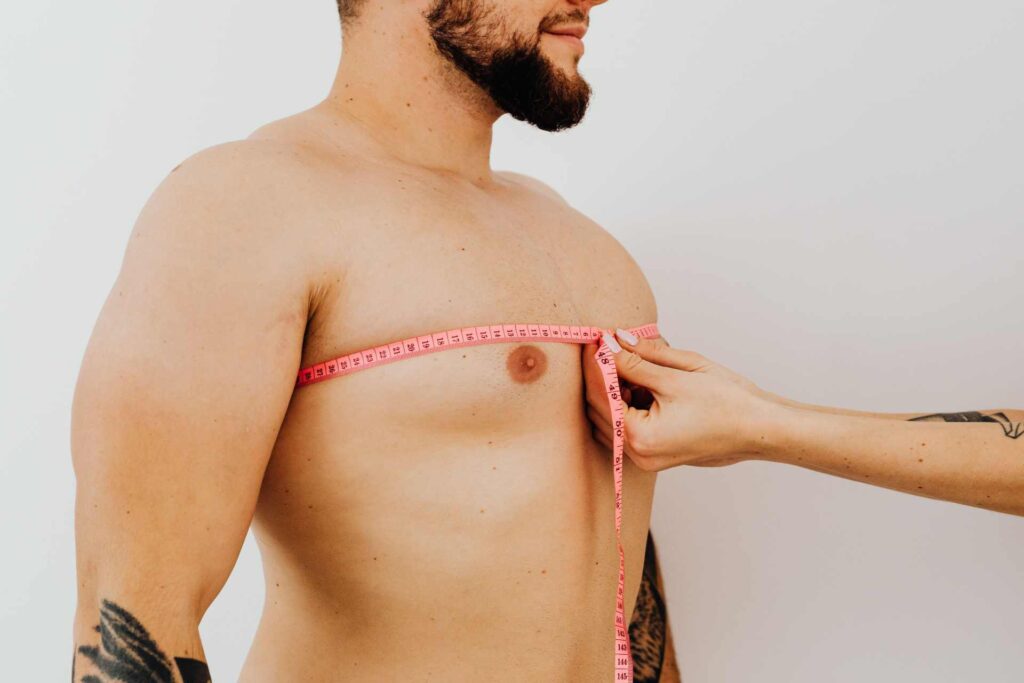
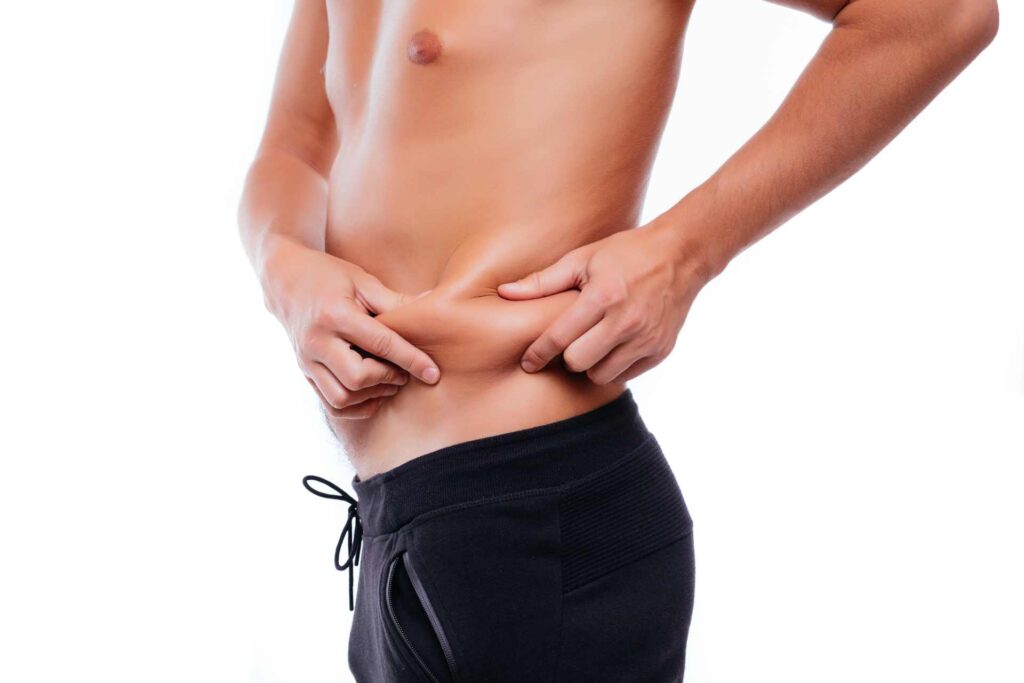
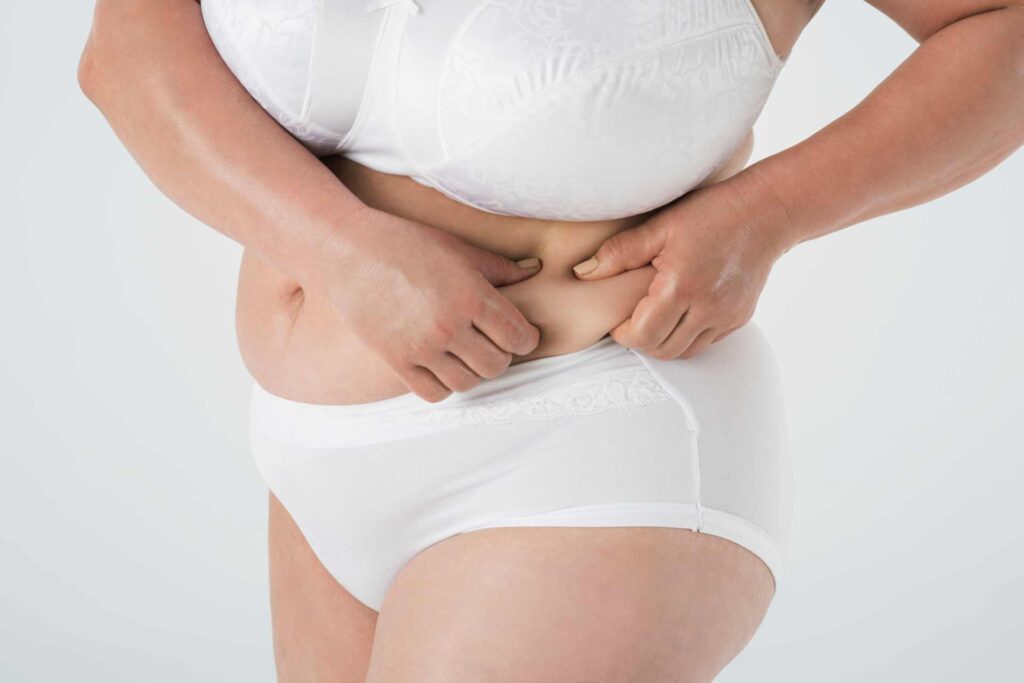
Love handles, which are the fat that sits along the flanks, just above the hips and around the sides of the waist, are made up of subcutaneous fat. This means it’s fat stored just beneath the skin. Unlike visceral fat (which wraps around your organs and carries greater health risks), subcutaneous fat is largely cosmetic. But that doesn’t make it easier to get rid of.
The waist and flank region is what researchers sometimes describe as “first in, last out” fat storage. Your body tends to deposit excess energy here early, and it’s one of the final areas it draws from during weight loss.
Why? Fat cells in the abdominal and flank region have a higher concentration of alpha-2 adrenergic receptors, which actively inhibit fat breakdown (lipolysis). Research published in the American Journal of Physiology confirmed that these receptors impair exercise-induced fat mobilisation specifically in subcutaneous abdominal tissue. So, this area is, quite literally, wired to hold on. And no amount of targeted exercise will change that receptor profile.
For many women, the challenge intensifies with age. Oestrogen plays a direct role in where fat is stored, which is why pre-menopausal women tend to carry fat in the hips and thighs, while the shift into perimenopause and menopause often brings more fat to the midsection and flanks. For men, declining testosterone from the mid-30s onwards has a similar effect, with more fat migrating to the abdomen and sides.
What Causes Love Handles?
Understanding why they form makes it much easier to know how to reduce love handles. And it’s usually a combination of factors working together.
Calorie Surplus Over Time
At its most basic, fat is stored energy. When you consistently consume more calories than your body burns, the excess gets stored. For many people, a significant portion ends up in the midsection. This doesn’t require much overeating; even a modest, chronic surplus adds up over months and years.
Hormones (Especially Cortisol & Insulin)
Two hormones play an outsized role in the storage of abdominal and flank fat.
Insulin, released to manage blood sugar, signals fat cells to take up and hold onto energy. Chronically elevated insulin levels, often due to excessive sugar or refined carbohydrate intake, promote central fat gain, including around the love handles.
Cortisol (your stress hormone) is the other key player. Fat cells in the abdominal and flank region have a higher cortisol receptor density, meaning that when cortisol levels are elevated, these specific cells are preferentially signalled to accumulate fat. This is a real reason why stress, poor sleep, and a high-sugar diet make love handles worse, even when overall calorie intake seems reasonable.
Genetics & Body Shape
Research shows genes can account for up to 60% of where fat is distributed on the body, with waist and hip patterns among the most strongly inherited traits. If you naturally carry fat around your waist and flanks, you could be dealing with a genetic predisposition. This doesn’t mean you have to live with love handles, but you just need a smarter approach to managing them.
A Sedentary Lifestyle
Extended periods of sitting reduce your overall energy expenditure and can also affect insulin sensitivity. Less muscle mass from inactivity means a slower resting metabolism, which makes fat accumulation easier and fat loss harder over time.
The Fastest Ways to Reduce Love Handles
There’s no shortcut that works immediately, but there are approaches that work faster than others.
Get Into a Moderate Calorie Deficit
Fat loss requires your body to use stored energy, which means consuming slightly less than you burn. A deficit of around 300–500 calories per day is the sweet spot, enough to drive consistent fat loss without tanking your energy, disrupting hormones, or triggering muscle breakdown.
Remember that crash dieting doesn’t help here; it raises cortisol and often leads to muscle loss that makes the waistline look worse, not better.
Prioritise Strength Training
Building muscle increases your resting metabolic rate, which means your body burns more calories throughout the day. Full-body resistance training two to four times per week is more effective for overall fat loss than endless core-specific work. You can include oblique exercises like Russian twists and side planks, but understand they build the muscle underneath, not remove the fat above.
Add Cardio Strategically
Both steady-state cardio and high-intensity interval training (HIIT) support fat loss. HIIT is particularly efficient for busy schedules, as short sessions can significantly elevate calorie burn and improve insulin sensitivity. Even consistent walking adds up meaningfully across a week when it comes to how to reduce love handles.
Address Sleep & Stress
This factor is an unsung hero in both how to get rid of love handles for women and men. Poor sleep raises cortisol and the hunger hormone ghrelin, which makes you hungrier and more likely to store fat centrally.
Aiming for 7–9 hours and actively managing stress through whatever works for you (movement, breathwork, less screen time before bed) is directly relevant to fat distribution.
Why Exercise Alone Often Isn’t Enough
A peer-reviewed meta-analysis published in the journal Human Movement, reviewing 13 studies across 1,158 participants, found that localised muscle training had no effect on localised fat deposits. To put it simply, exercising a specific body part does not reduce fat in that body part.
This matters because a huge amount of advice around how to get rid of love handles for men and women centres on oblique exercises, side bends, and targeted ab work. These moves can strengthen your core and improve posture, which is genuinely useful. But they don’t selectively burn the fat sitting on top of those muscles.
Fat loss is whole-body. When your body needs energy, it draws on fat stores throughout your body, not just the area you’re currently working. The order in which your body releases fat from different regions is largely dictated by your genetics and hormones, which is why some people seem to lose fat from their face and arms first, while their waist is the last to budge.
This is also why people hit plateaus. You might lose fat consistently for several months, then find progress stalls, even when nothing has changed in your approach. The body adapts. And those final pockets of subcutaneous fat in the flank area can be genuinely resistant, even in people who are otherwise lean and fit.
Professional Treatments for Stubborn Love Handles
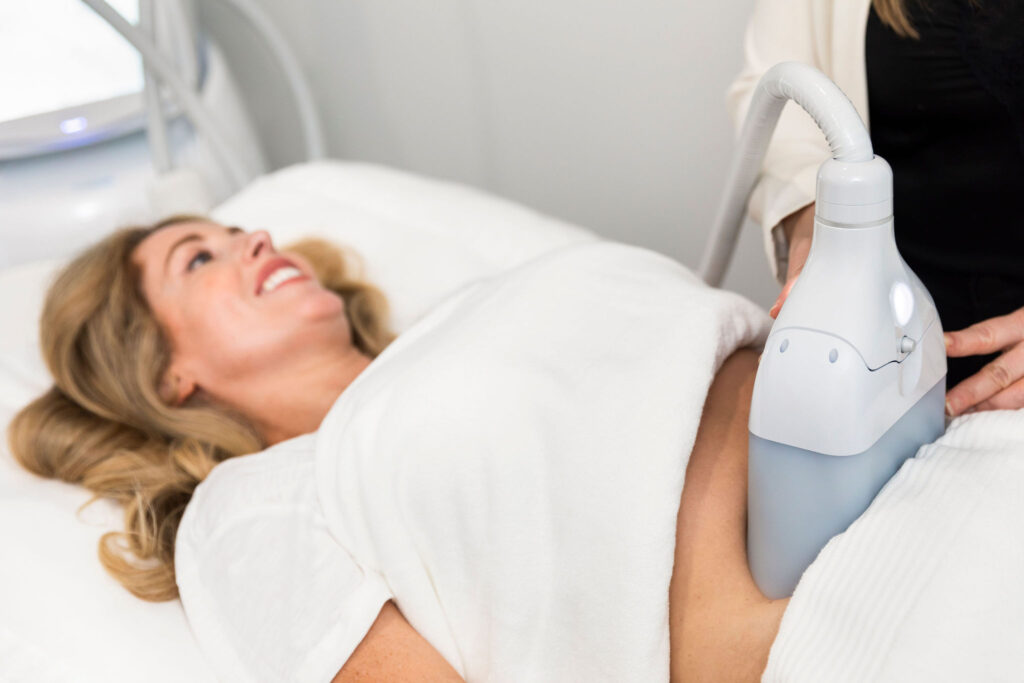
When lifestyle changes have taken you as far as they can, non-invasive body contouring treatments offer a clinically supported path forward. These treatments are targeted fat reduction tools for people who are close to their goal and dealing with specific resistant areas.
Fat Freezing (Cryolipolysis)
Fat freezing uses controlled cooling to target and permanently eliminate fat cells in a specific area. The treated cells crystallise and are gradually cleared by the body’s lymphatic system, with results continuing to develop over 8–12 weeks as the body processes treated fat cells.
This is one of the most researched non-invasive fat reduction technologies available and a strong option for the flanks specifically, an area well-suited to the applicator shape used in most treatments.
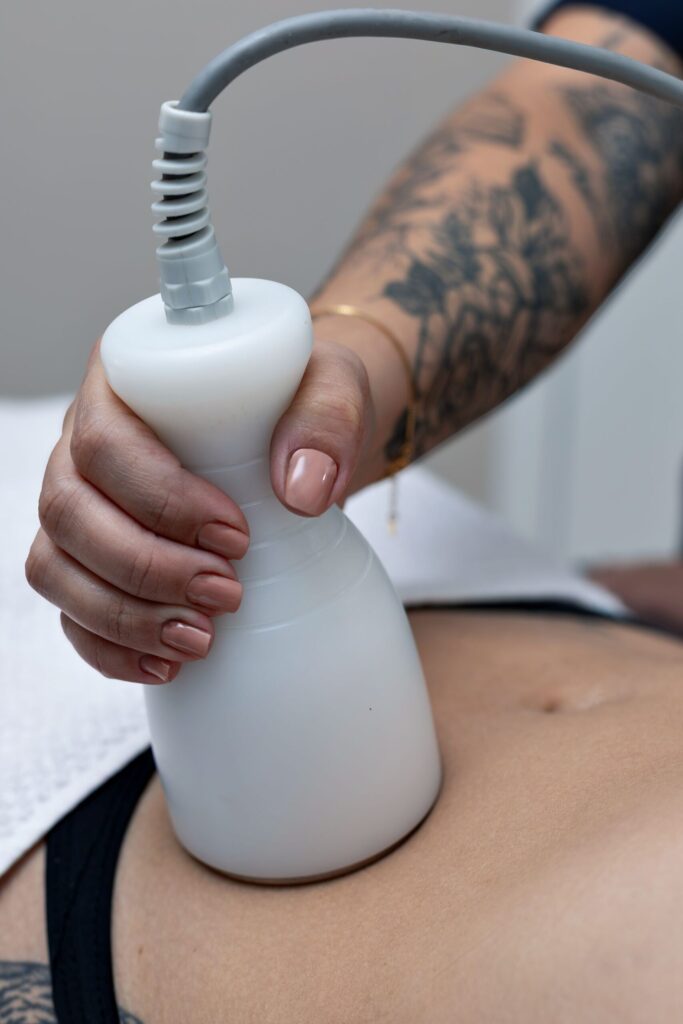
Body Contouring (HIFU & Ultrasonic Fat Cavitation)
Our body contouring treatment uses High-Intensity Focused Ultrasound (HIFU) and/or ultrasonic fat cavitation to break down subcutaneous fat cells while simultaneously stimulating collagen production. This dual effect is particularly useful for the love handle area, where skin laxity can accompany fat loss. The result is both a reduction in fat volume and improvement in skin firmness.
Treatment Stacking
One of the things that genuinely differentiates results at a clinic like Body Catalyst is strategic treatment stacking: combining complementary technologies within a single plan.
Pairing fat freezing with body contouring, for example, can address both the fat itself and skin tone simultaneously. For people who’ve also lost muscle tone, adding TeslaFormer (which uses Functional Magnetic Stimulation to contract muscles deeply) can reshape and define the area as fat is reduced.
This approach is particularly effective for women post-pregnancy or post-menopause, and for men dealing with age-related fat redistribution.
Timeline: When Will You See Results?
It depends on where you’re starting, your genetics, and the approach you’re taking. But here are realistic benchmarks.
Lifestyle changes only:
- Weeks 1–3: Energy, sleep, and bloating often improve noticeably
- Weeks 4–8: Measurable fat loss across the body; waistline may begin to reduce
- Weeks 8–16: More visible change in the love handle area, particularly if you’ve been consistent with both nutrition and training
- Months 4+: This is often where plateaus hit for stubborn subcutaneous fat
With non-invasive treatment:
- Weeks 1–4 post fat freezing: The body begins processing treated fat cells
- Weeks 8–12: Visible reduction in the treated area becomes apparent
- Week 12-16: Full results emerge as the body completes fat cell clearance
It’s also worth knowing that results from treatments like fat freezing are considered permanent for the fat cells eliminated, as they don’t regenerate. But remaining fat cells can still expand if lifestyle factors aren’t maintained, which is why combining treatment with healthy habits produces the most sustainable outcomes.
Maintaining Results Long-Term
Getting rid of love handles is one challenge; keeping them gone is another.
The same fat cells that were resistant to your efforts will still be there (minus any that were clinically treated), and the same hormonal and genetic factors that drove storage in the first place don’t disappear.
What works long-term:
- Maintaining a Healthy Weight Range: Even modest weight regain can return fat to the flank area in people genetically predisposed to it
- Continuing Strength Training: Muscle mass is metabolically protective and helps prevent fat increase over time
- Managing Cortisol: Chronic stress remains one of the most overlooked drivers of abdominal fat re-accumulation
- Consistent Sleep: Getting 7–9 hours supports the hormonal environment that keeps fat storage in check
- Limiting Refined Carbohydrates & Alcohol: Both spike insulin and cortisol, two hormones that preferentially direct fat to the midsection
The goal isn’t perfection. It’s a baseline of habits that keeps your body in balance.
Choose the Best Version of You Today
Ready to stop guessing and start seeing real change?
Book a free consultation with the Body Catalyst team to build a treatment plan tailored to your body, goals, and timeline.
FAQs