Learn how to get rid of cellulite with expert tips and proven treatments. Discover solutions that work—take control of your skin today at Body Catalyst.
Remove sun spots safely with SQT Bio-Microneedling at Body Catalyst. Reveal brighter, even skin. Book your sun spot removal treatment in Australia today!
Discover visible skin tightening results from your first treatment. Learn how Body Catalyst can help you achieve firmer skin. Book your consultation now!
Discover advanced NOTOX treatments in Australia for youthful skin. Book your consultation with Body Catalyst and experience the NOTOX revolution today!
Undergoing life’s daily journey with an (OAB) overactive bladder, urinary incontinence, and incontinence can be difficult. A variety of treatment options exist aplenty to manage the symptoms effectively and treat incontinence. This blog delves into the causes of OAB’s and incontinence. Plus, we delve into a variety of treatments tailored to provide relief and enhance quality of life.
Understanding Urinary Incontinence
Urinary incontinence is a common condition characterized by the involuntary loss of urine from the bladder. It can affect people of all ages, but is most common in females and older adults. This condition can stem from various factors, including weakened pelvic floor muscles, an overactive bladder, and certain medical conditions. Understanding the causes and types of urinary incontinence is crucial for effective diagnosis and treatment. By identifying the underlying issues, individuals can work with healthcare professionals to develop a tailored treatment plan that addresses their specific needs.
Types of Urinary Incontinence
There are several types of urinary incontinence, each with distinct causes and symptoms:
Stress Incontinence: This type occurs when weakened pelvic floor muscles lead to small leaks of urine during physical activities or when pressure is applied to the bladder, such as when coughing, sneezing, or exercising.
Urge Incontinence: Often associated with an overactive bladder, this type is characterized by a sudden and intense need to urinate, which can result in involuntary urine leakage.
Overflow Incontinence: This occurs when the bladder does not empty properly, leading to frequent or constant dribbling of urine.
Functional Incontinence: This type is due to physical or cognitive impairments that prevent an individual from reaching the toilet in time.
Mixed Incontinence: A combination of stress and urge incontinence, where individuals experience symptoms of both types.
Understanding the specific type of urinary incontinence is essential for determining the most effective treatment approach.
Causes and Risk Factors
Urinary incontinence can be triggered by a variety of factors, including:
Weakened Pelvic Floor Muscles: Pregnancy, childbirth, menopause, and aging can all contribute to the weakening of these crucial muscles, leading to incontinence.
Overactive Bladder: Conditions such as diabetes or neurological disorders can cause the bladder to contract involuntarily, resulting in frequent urges to urinate.
Underlying Medical Conditions: Issues like urinary tract infections, kidney stones, or prostate enlargement can increase the risk of incontinence.
Lifestyle Factors: Smoking, obesity, and physical inactivity can exacerbate the likelihood of developing urinary incontinence.
Medications: Certain drugs, including diuretics and sedatives, can increase the risk of urine leakage.
Recognizing these causes and risk factors can help individuals take proactive steps to manage and mitigate their symptoms.
Overactive Bladder and Urinary Incontinence Symptoms
Before diving into the treatments, it’s important to understand what an overactive bladder and incontinence entails. An overactive bladder (OAB) is a condition where you have an uncontrollable urge to urinate, leading to frequent visits to the bathroom sometimes resulting in incontinence. Urge incontinence is a condition characterized by a sudden and intense need to urinate, often resulting from an overactive bladder. Incontinence is the involuntary leakage of urine, which can be due to various reasons such as weak pelvic floor muscles, nerve damage, or certain medical conditions.
Symptoms and Diagnosis
The symptoms of urinary incontinence can vary widely depending on the type and severity of the condition. Common symptoms include:
Leaking Urine: This can range from occasional small leaks to a complete loss of bladder control.
Frequency: An increased need to urinate frequently, often accompanied by a sense of urgency.
Nocturia: Waking up multiple times during the night to urinate.
Urgency: A sudden and strong need to urinate that can be difficult to control.
To diagnose urinary incontinence, healthcare providers typically conduct a physical examination, review the patient’s medical history, and perform diagnostic tests such as urodynamic testing or pelvic ultrasound. These steps help determine the underlying cause and guide the development of an effective treatment plan.
Lifestyle Changes and Self-Care
Lifestyle changes and self-care strategies can play a significant role in managing urinary incontinence. Some effective approaches include:
Bladder Training: This involves gradually increasing the intervals between bathroom visits to train the bladder to hold urine for longer periods.
Pelvic Floor Muscle Exercises: Exercises like Kegels can strengthen the muscles that control urination, helping to reduce leakage.
Dietary Changes: Avoiding foods and drinks that can irritate the bladder, such as caffeine and spicy foods, can help manage symptoms.
Fluid Management: Drinking enough fluids to stay hydrated while avoiding excessive intake can help balance bladder function.
Weight Management: Maintaining a healthy weight can reduce pressure on the bladder and improve symptoms.
Smoking Cessation: Quitting smoking can reduce the risk of developing urinary incontinence and improve overall health.
By understanding the causes and types of urinary incontinence and prioritizing lifestyle changes and self-care, individuals can effectively manage their symptoms and enhance their quality of life.
Traditional Overactive Bladder Treatment Options: Pelvic Floor Muscle Training
Changes in Lifestyle:
Diet: Certain beverages and food items like caffeine, alcohol and spicy food can kind of worsen OAB symptoms. So, cutting down or avoiding these triggers, might help manage the symptoms better.
Bladder training: This activity involves consciously scheduling bathroom visits to slowly increase the intervals between urination and gain control back over bladder functions.
Performing Pelvic floor exercises: Strengthening through pelvic floor muscle training, like Kegel exercises, can improve control over the bladder and reduce incontinence episodes. Tools like vaginal cones and biofeedback can enhance the effectiveness of pelvic floor training.
Medicines:
Medicines like Anticholinergic: These kinds of drugs, relax the bladder muscles, reduce bladder contraction frequency and give relief from overactive bladder symptoms. Oxybutynin, tolterodine, and solifenacin are some examples.
Beta-3 agonists medicines: These medicines get beta-3 receptors in the bladder stimulated leading to increased capacity in the bladder, and decreased urgency. Mirabegron is often a prescribed beta-3 agonist.
Additionally, medications are frequently prescribed to treat stress incontinence. These medications are specifically utilized to treat incontinence, providing examples of common pharmaceutical options available for this condition.
Therapy of the pelvic floor is recommended as a remedy for those with pelvic floor dysfunction caused by weakness in muscles in the pelvic floor. The patient is assessed and then aided to perform exercises to strengthen the pelvic floor while enhancing the bladder and overall bowel control.
Pelvic Floor Exercises:
Pelvic floor exercises are a major part of treatment for OABs and incontinence, these exercises target the muscles that support the bladder, urethra, and other pelvic organs, helping to improve control and reduce leakage. This is typically done by squeezing the muscles for 10 seconds for 10 repetitions while lying down, sitting or even standing upright.
Surgical Methods:
There are cases when surgical methods are suggested for the treatment of an overactive bladder or incontinence. The options could be bladder augmentation, sling procedures, artificial urinary sphincter implantation, and others. These procedures are considered usually when other methods have not worked and is the most extreme measure which can be invasive and painful.
For stress incontinence, treatment options include bulking agents, pessaries, and sling surgery to support weakened tissues and reduce leakage.
The Current Landscape of Bladder Training Solutions
Traditional solutions for an overactive bladder and incontinence range from medication and pelvic floor exercises to invasive surgeries. While effective for some, these methods often come with side effects or require a level of maintenance that can be overwhelming or unmanageable.
Urinary incontinence diagnosed by healthcare professionals involves a comprehensive evaluation, including discussing symptoms, medical history, and possibly keeping a bladder diary. Additionally, tests may be used to determine the type of urinary incontinence a patient may have.
Urinary incontinence treated with these methods can be effective in managing the condition.
Overactive Bladder Treatment Technology
Introducing Teslachair: A New Dawn in Treatment
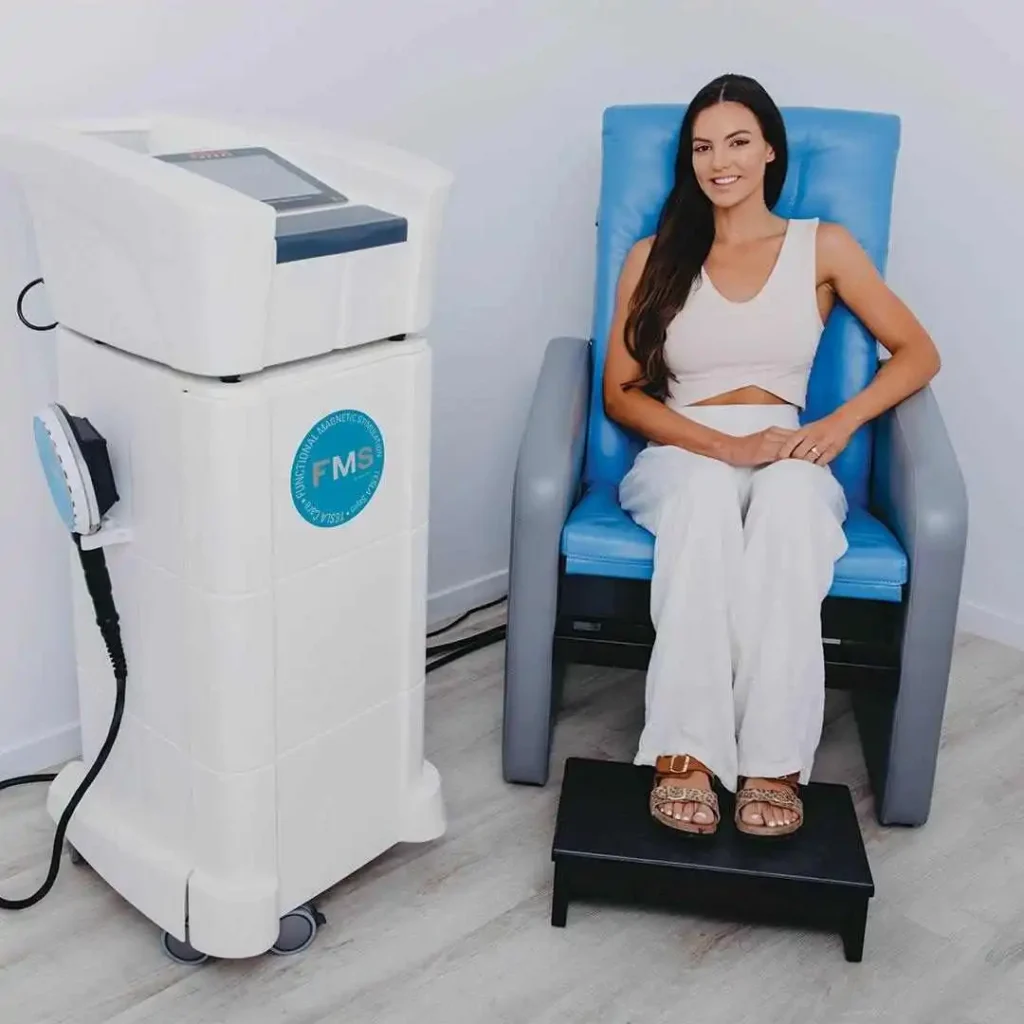
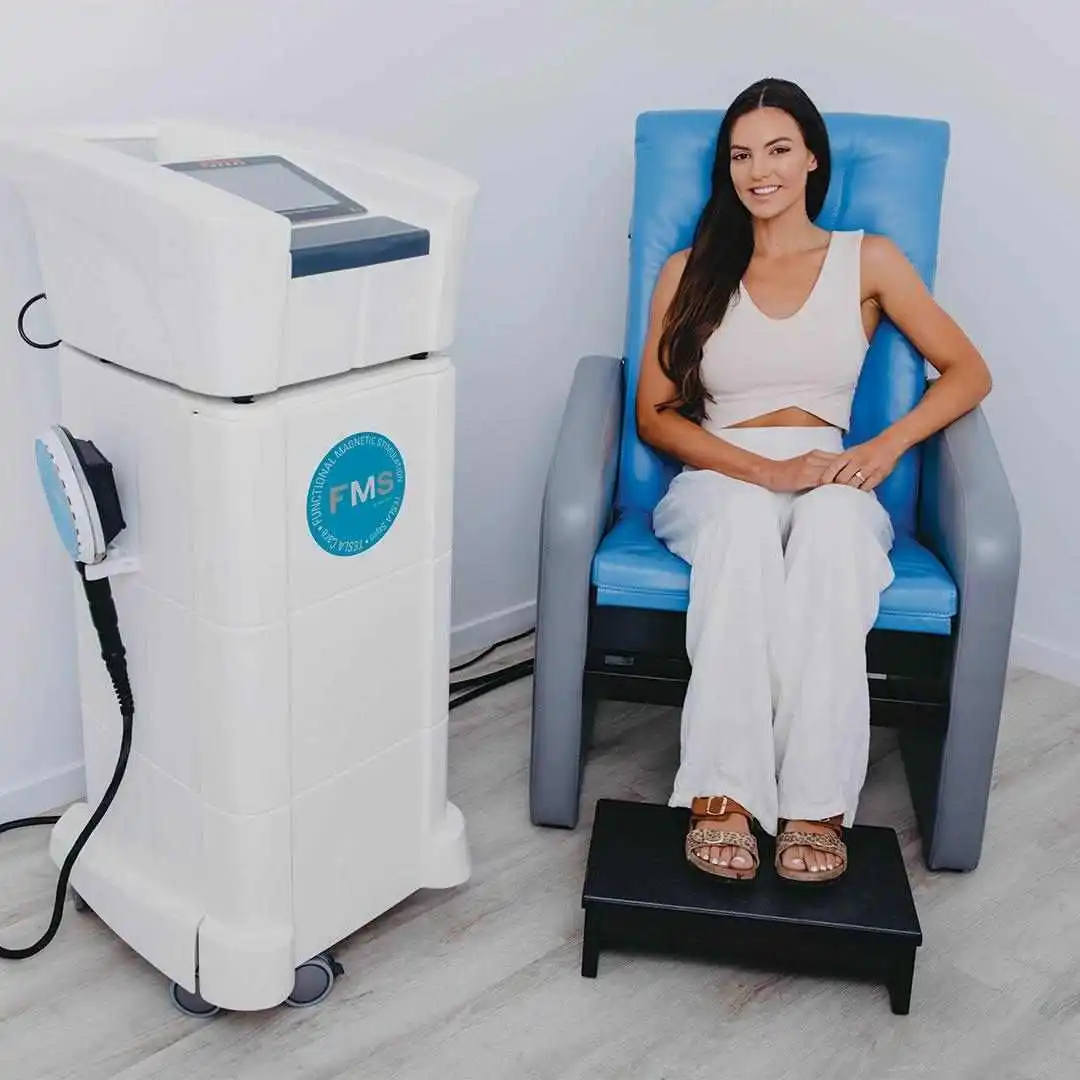
At its core, the Teslachair is a testament to how far we’ve come in leveraging technology to improve human health. Its principle is rooted in magnetic therapy, a non-invasive technique that has shown promise in a variety of health and well-being applications.
In addition to its technological advancements, the Teslachair can also be used to treat incontinence, providing a modern alternative to traditional medications. The Teslachair can be particularly effective in managing mixed urinary incontinence, which combines both stress and urge incontinence, offering a new solution for those affected by this condition.
The Science Behind the Success
Teslachair utilises a technology known as Functional Magnetic Stimulations (FMS), which works to reinforce and strengthen pelvic floor muscles by causing them to contract involuntarily. This stimulation can help manage the symptoms of pelvic floor dysfunction and an overactive bladder. Additionally, the Teslachair’s FMS technology can help manage overflow incontinence by aiding in the complete emptying of the bladder.
A Leap in Accessibility and Comfort
One of the most appealing aspects of Teslachair’s FMS technology is its user-centric design. It’s a solution that people can use in the comfort of their own homes, reducing the need for frequent medical visits and interventions. The Teslachair can help individuals who leak urine by providing a convenient and effective treatment option. Body Catalyst’s own Teslachair Pelvic Floor Strengthening treatment works by strengthening and toning muscles via Tesla energy which stimulates muscle contractions.
While an overactive bladder can be a challenge, there are effective treatments available. We are invested in seeing you get results via our non-invasive treatments that can help strengthen pelvic muscles and say goodbye to dysfunction leading to an overactive bladder and being incontinent. Working closely with the trained technicians at Body Catalyst, those affected by OABs and incontinence can get relief and regain control over bladder functions.
BOOK A FREE CONSULTATION
Book a complimentary consultation with our Aesthetic & Wellness Therapists. During your complimentary consultation, your body expert will help answer any questions you may have about the technology and treatment process. From there, we will work with you to customise and recommend the best treatment program options to help you achieve your body goals.