Learn how to get rid of cellulite with expert tips and proven treatments. Discover solutions that work—take control of your skin today at Body Catalyst.
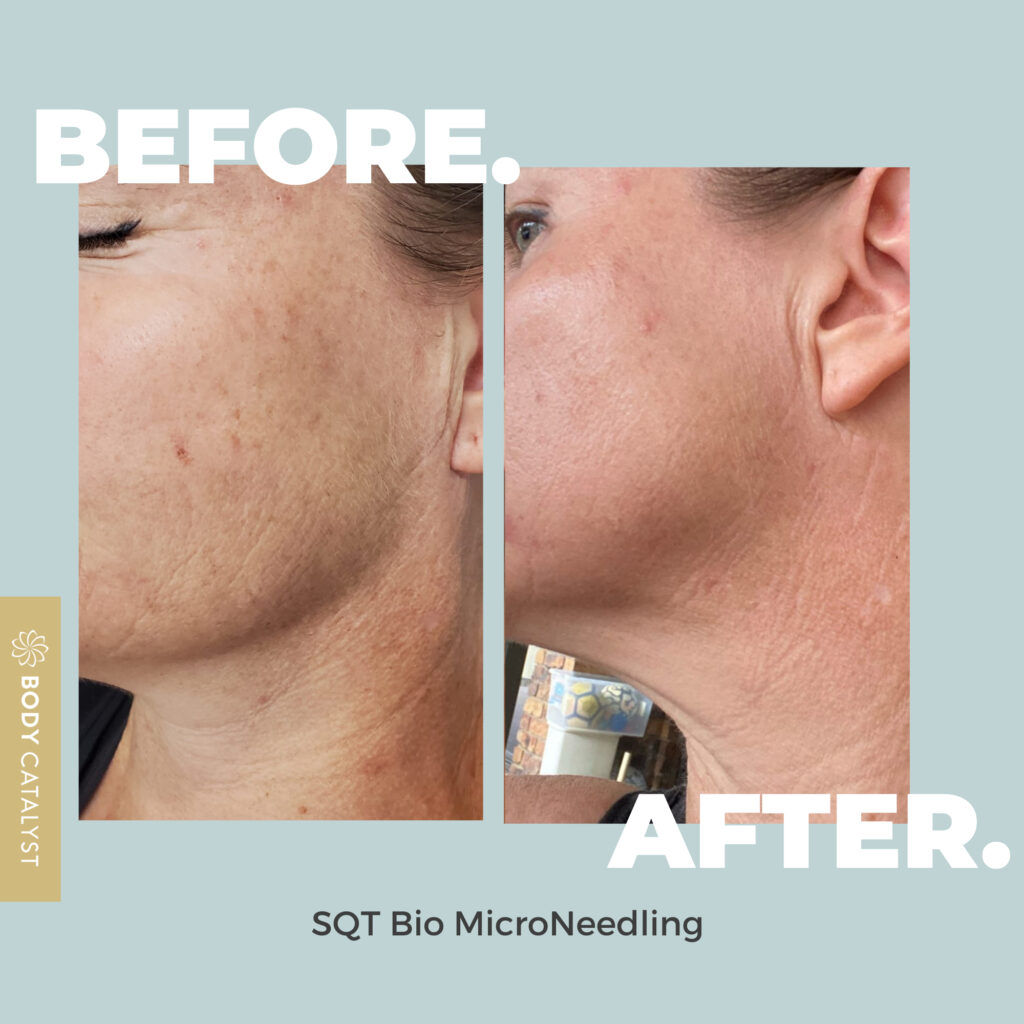
Remove sun spots safely with SQT Bio-Microneedling at Body Catalyst. Reveal brighter, even skin. Book your sun spot removal treatment in Australia today!
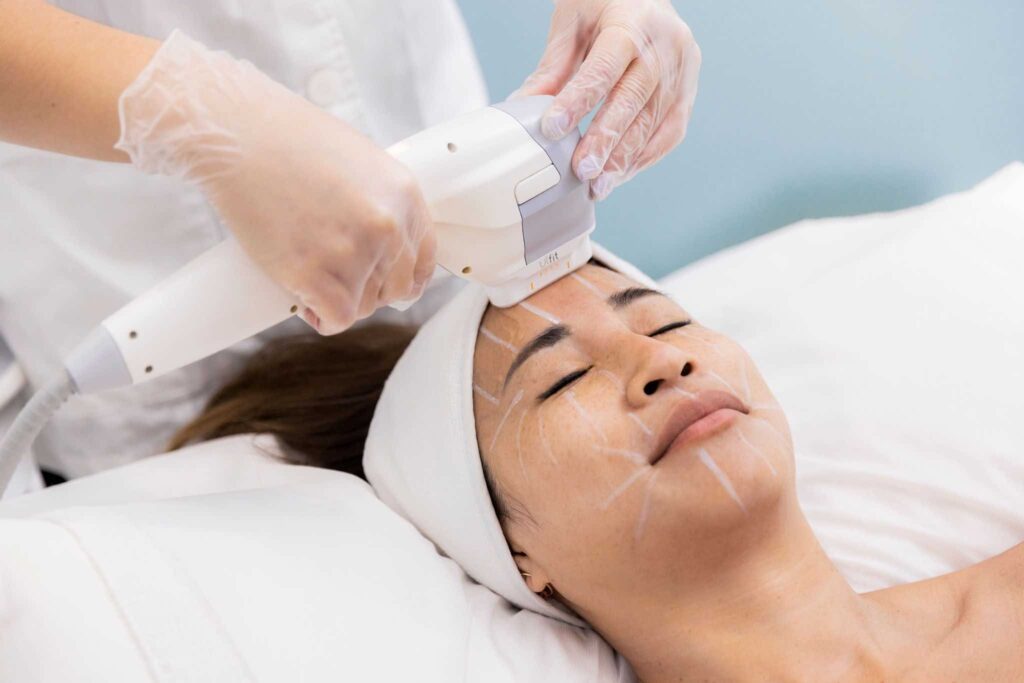
Discover visible skin tightening results from your first treatment. Learn how Body Catalyst can help you achieve firmer skin. Book your consultation now!
Discover advanced NOTOX treatments in Australia for youthful skin. Book your consultation with Body Catalyst and experience the NOTOX revolution today!
When it comes to non-invasive body contouring treatments fat freezing and fat cavitation are two popular options. Both reduce unwanted fat but work in different ways. In this article, we will explore the difference between freezing and cavitation methods so you can decide which one is right for you.
What is Fat Freezing?
Fat freezing treatment, also known as cryolipolysis, is a non-surgical fat reduction treatment that uses a controlled cooling technique to kill fat cells. Here’s how it works:
The area is marked and a gel pad is applied to the skin.
A suction applicator is placed on the area, the fat pocket is drawn inside the applicator, and a 360 degree cooling panel. The fat cells are cooled to – 9 degrees, killing them.
Over a series of 12 weeks, the body naturally processes and eliminates the dead fat cells out through the body’s lymphatic system.
Fat freezing, also known as cryolipolysis, is a cutting-edge fat reduction treatment that leverages cold temperatures to target and destroy fat cells. The procedure begins with the placement of a specialized cooling device on the skin, which lowers the temperature of the fat cells to approximately -11°C. This extreme cold causes the fat cells to crystallize and eventually die in a process known as apoptosis. Once the fat cells die, the body’s lymphatic system naturally processes and eliminates them, leading to a noticeable reduction in body fat over time. This non-invasive fat reduction treatment is particularly effective for those looking to eliminate stubborn fat pockets that resist diet and exercise.
What is Ultrasonic Fat Cavitation?
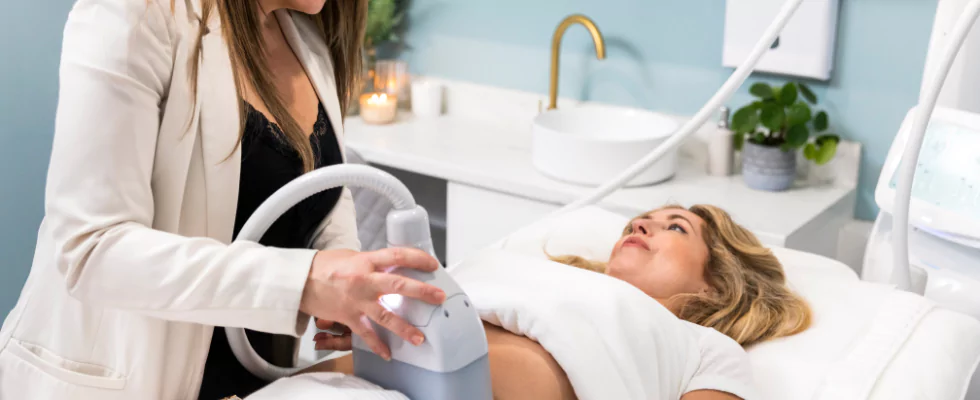
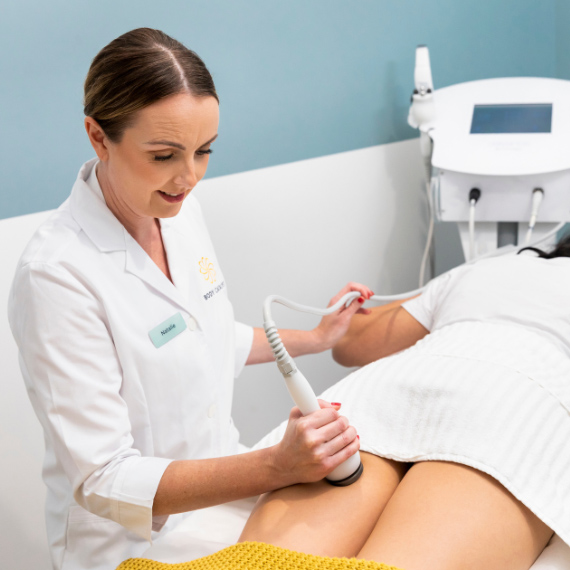
Fat cavitation, also known as ultrasonic fat cavitation, is a non-invasive body contouring treatment that uses low-frequency sound waves to break down fat cells. The process works as follows:
A gel is applied to the area to help conduct the fat cavitation
A handheld device emits ultrasonic waves that shatter the membranes of the fat cells
The body then processes and eliminates the broken-down fat out of the body through the lymphatic system.
Pros of Fat Cavitation:
Less expensive than fat freezing
Can treat larger areas in one session
No downtime
Results can be seen within a few weeks
Cons of Fat Cavitation:
May require multiple treatments for the best results
Results not as dramatic as fat freezing
Effects are semi-permanent if not combined with an active lifestyle
When deciding which treatment to choose, understanding the difference between freezing and cavitation methods is key. Here are the main differences:
Differences
Fat Freezing
Fat Cavitation
Technology Used
Controlled cooling to freeze and kill fat cells
Ultrasound waves to break down fat cells
Treatment Areas
Smaller areas of fat that can be pinched
Larger areas
Number of Sessions
Fewer sessions, only 1-2 sessions
Multiple sessions for best results
Results Timeline
Results visible in 8-12weeks
Some results are immediate, full results in 6-12 weeks
Permanent Results
Permanent as fat cells are killed
Results are semi-permanent and require maintenance
Fat Freezing:
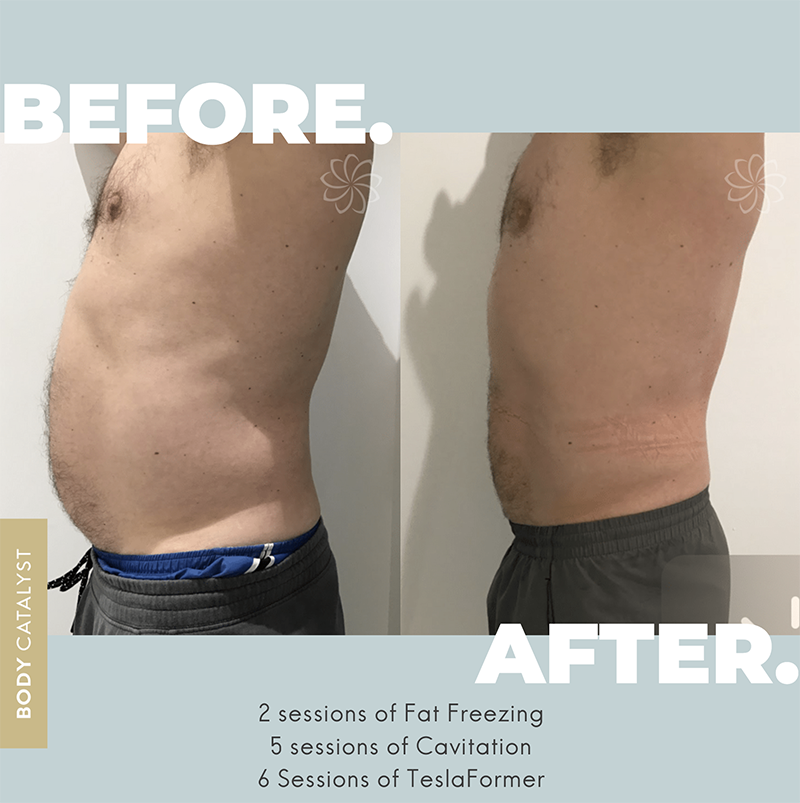
Up to 20-25% fat reduction in the area per session
Results more noticeable and longer-lasting
For stubborn pockets of fat that don’t respond to diet and exercise
Fat freezing treatment, also known as cryolipolysis, is a non-invasive procedure that utilizes cold temperatures to target and eliminate stubborn fat cells without damaging surrounding tissues. The body naturally expels the frozen fat cells over time, leading to gradual results.
Fat Cavitation:
Reduction in circumference and body contouring
Results are not as dramatic but effective for overall body shaping
For larger areas and general fat reduction
Individual results may vary and both treatments work best when combined with a healthy balanced lifestyle.
Treatment Details
Areas That Can Be Targeted
Fat freezing is a versatile treatment that can target various areas of the body, making it an excellent option for those struggling with stubborn fat pockets. Commonly treated areas include the upper arms, love handles, thighs, and abdomen. The cooling device is carefully placed on the skin, and the treatment is customized to meet the individual’s specific needs and goals. Whether you’re looking to slim down your upper arms or reduce fat around your midsection, fat freezing can help you achieve a more contoured and sculpted appearance.
Pain and Discomfort
One of the appealing aspects of fat freezing is that it is a relatively painless procedure. Most patients report only a mild stinging or tingling sensation during the treatment, which typically subsides within a few minutes. The procedure is designed to be as comfortable as possible, allowing patients to relax and even read or listen to music while the treatment is underway. Any discomfort experienced is usually temporary, making fat freezing a convenient and stress-free option for fat reduction.
Side Effects and Safety
Both fat freezing and fat cavitation are safe when performed by trained practitioners. However, there are some possible side effects to be aware of: Fat Freezing Side Effects:
Temporary redness, swelling, bruising
Numbness or tingling in the area
Rare cases of paradoxical adipose hyperplasia (fat cell growth) – with an incidence of 0.0051% 1
Fat Cavitation Side Effects:
Temporary redness
Bruising or swelling
Dehydration (patients are advised to drink plenty of water)
Consult with a qualified Body Catalyst practitioner to discuss risks and to make sure the treatment is appropriate to your needs.
Who Is the Ideal Candidate?
To decide between fat freezing and fat cavitation you need to consider: Ideal for Fat Freezing:
Pinchable areas of fat
Close to ideal weight
Looking for more dramatic and longer-lasting results
Ideal for Fat Cavitation:
Larger areas to treat
Overall body contouring
Gradual fat reduction
Neither treatment is for those who are severely overweight or obese. These treatments are for body shaping.
Choosing the Right Treatment
When comparing fat freezing and fat cavitation, it’s essential to consider your individual needs and goals. Fat freezing is particularly effective for targeting specific areas with stubborn fat deposits, offering long-term results that can last up to six months or more. On the other hand, fat cavitation is more versatile, capable of treating larger areas and multiple body parts in a single session. While fat freezing tends to have a higher success rate in reducing body fat, fat cavitation is a more affordable option and can be used in conjunction with fat freezing to enhance overall body contouring results.
Ultimately, the choice between fat freezing and fat cavitation depends on your personal preferences, budget, and desired outcomes. Consulting with a qualified practitioner is crucial to determine the best treatment option for your needs. They will assess your body fat, discuss your goals, and recommend the most effective treatment plan. By choosing the right treatment, you can achieve optimal body contouring results and enjoy a more confident and healthy lifestyle.
Combination Treatments
Depending on your needs, a combination of treatments that include both fat freezing and ultrasonic fat cavitation may be an option. This can give you overall body contouring results by:
Using fat freezing for stubborn fat pockets
Using ultrasonic fat cavitation for larger areas and overall shaping
Enhancing lymphatic drainage and fat elimination
Speak to your local Body Catalyst clinic to see if combination treatments would be suitable for your goals.
Conclusion
Fat freezing vs fat cavitation depends on your body goals, budget and personal preferences. Fat freezing may be better for those targeting specific areas of fat and wanting longer lasting results. Fat cavitation may be better for those wanting to treat larger areas or a more gradual approach. Both treatments work best with a healthy lifestyle. Talk to the experts at Body Catalyst to see which one is best for you and to get a treatment plan. References 1 Paradoxical Adipose Hyperplasia After Cryolipolysis
Book a complimentary consultation with our Aesthetic & Wellness Therapists. During your complimentary consultation, your body expert will help answer any questions you may have about the technology and treatment process. From there, we will work with you to customise and recommend the best treatment program options to help you achieve your body goals.
To provide the best experiences, we use technologies like cookies to store and/or access device information. Consenting to these technologies will allow us to process data such as browsing behavior or unique IDs on this site. Not consenting or withdrawing consent, may adversely affect certain features and functions.
Functional
Always active
The technical storage or access is strictly necessary for the legitimate purpose of enabling the use of a specific service explicitly requested by the subscriber or user, or for the sole purpose of carrying out the transmission of a communication over an electronic communications network.
Preferences
The technical storage or access is necessary for the legitimate purpose of storing preferences that are not requested by the subscriber or user.
Statistics
The technical storage or access that is used exclusively for statistical purposes.The technical storage or access that is used exclusively for anonymous statistical purposes. Without a subpoena, voluntary compliance on the part of your Internet Service Provider, or additional records from a third party, information stored or retrieved for this purpose alone cannot usually be used to identify you.
Marketing
The technical storage or access is required to create user profiles to send advertising, or to track the user on a website or across several websites for similar marketing purposes.