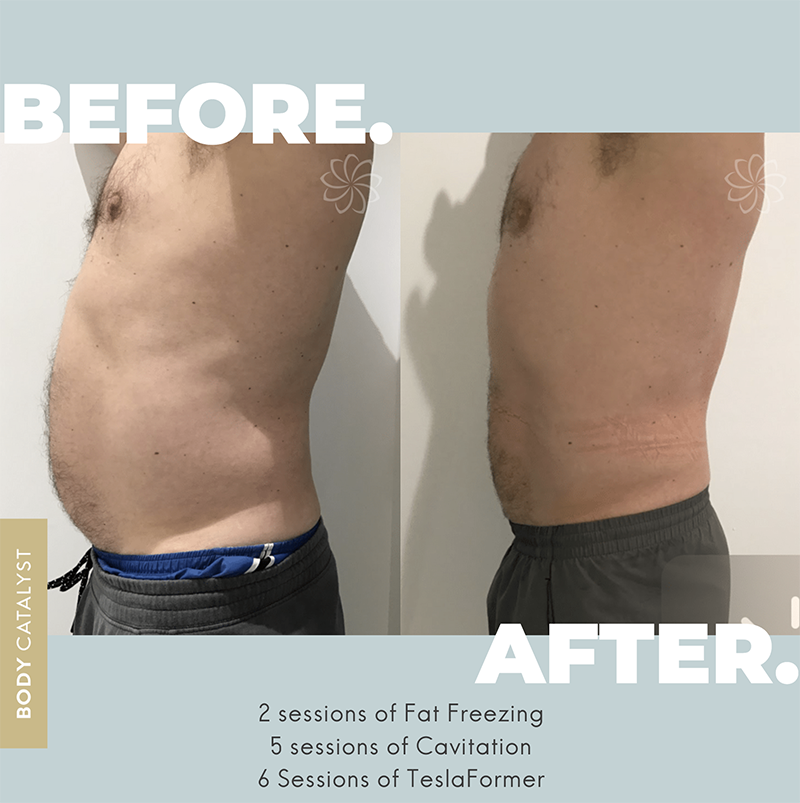
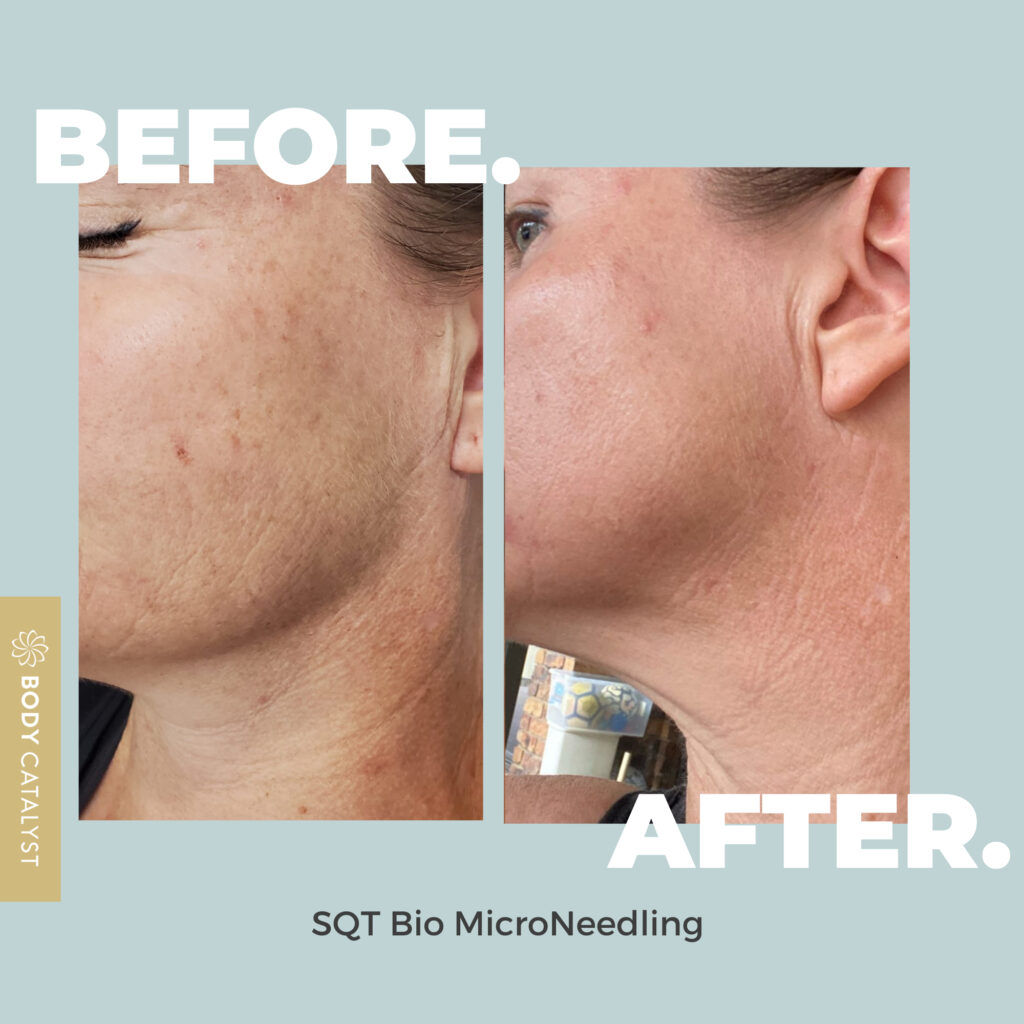
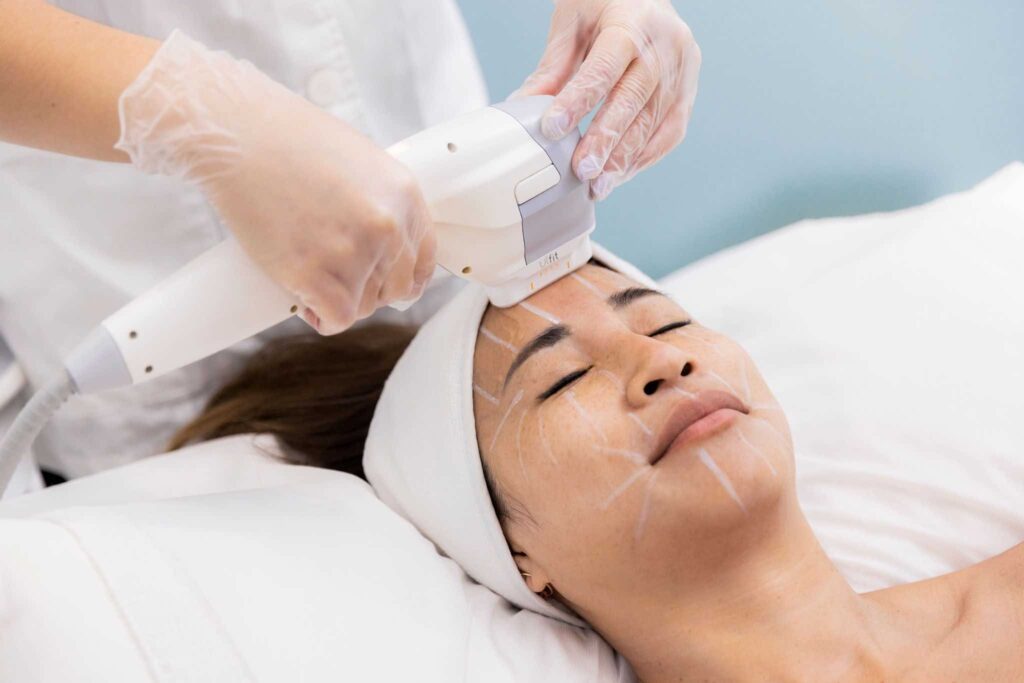
Fat freezing (cryolipolysis) is remarkably safe for most people, with millions of treatments performed worldwide demonstrating an excellent safety profile. However, certain medical conditions create genuine risks that make treatment inappropriate. At Body Catalyst, we believe informed patients make better decisions, so this guide explains not just which conditions preclude treatment, but why they’re dangerous.
Understanding these contraindications reflects our commitment to your safety above all else. If you have any of the conditions discussed below, we want you to know upfront so you can explore alternative approaches with full information.
Why Some People Can’t Have Fat Freezing
Cryolipolysis works by exposing fat cells to controlled cooling at approximately -9°C for 40-60 minutes. While this temperature is perfectly safe for normal tissue, it creates specific risks for people whose bodies react abnormally to cold exposure.
The conditions that preclude treatment fall into two main categories. Cold-sensitive blood disorders cause abnormal proteins or antibodies to precipitate or activate when exposed to cold, potentially triggering serious systemic reactions. Cold-reactive skin conditions can cause severe allergic responses including anaphylaxis.
The common thread is that these conditions involve cold-triggered physiological responses extending beyond the normal, localised effects we expect from treatment. When cold exposure triggers reactions throughout your body rather than just affecting local fat cells, the risk-benefit calculation changes fundamentally.
Absolute Contraindications: Conditions That Prevent Treatment
Five medical conditions represent absolute contraindications, meaning treatment cannot proceed regardless of other factors. Each involves a specific mechanism making cold exposure genuinely dangerous.
Cryoglobulinemia involves abnormal proteins in your blood that remain dissolved at normal body temperature (37°C) but precipitate and form solid or gel-like immune complexes when temperatures drop below this threshold. During fat freezing, localised cooling could trigger these proteins to precipitate, potentially causing vasculitis (blood vessel inflammation), tissue damage, and systemic inflammatory responses. More than 90% of cryoglobulinemia cases are associated with hepatitis C infection.
Cold agglutinin disease involves IgM antibodies that bind to red blood cells at low temperatures, causing them to clump together (agglutinate). When clumped red blood cells break apart, they release their contents into your bloodstream a process called hemolysis. The cooling during cryolipolysis could trigger this antibody-mediated destruction of red blood cells, potentially causing anemia and systemic complications.
Paroxysmal cold hemoglobinuria involves the Donath-Landsteiner antibody, which binds to red blood cells at cold temperatures then activates complement proteins when the blood warms again. This complement-mediated destruction can cause sudden hemoglobinuria (blood in urine), anemia, and systemic symptoms with any cold exposure procedure.
Cold urticaria causes mast cells to degranulate (release histamine and other inflammatory mediators) when exposed to cold. Research shows up to 72% of cold urticaria patients experience at least one systemic reaction after extensive cold exposure, and this condition is the only chronic inducible urticaria subtype causing life-threatening anaphylaxis. The large surface area treated during cryolipolysis creates unacceptable risk for severe reactions.
Pregnancy is contraindicated because cryolipolysis has not been studied in pregnant women, and the precautionary principle applies. While there’s no specific evidence suggesting harm, the absence of safety data means we cannot ethically recommend treatment during pregnancy. Fat distribution also changes significantly during pregnancy, making body contouring impractical until after delivery.
Raynaud’s Disease: Updated Guidance for 2026
Raynaud’s phenomenon causes exaggerated blood vessel constriction in response to cold, typically affecting fingers and toes. Historically, this was listed as an absolute contraindication. However, recent research has updated our understanding.
A 2021 study published in Dermatologic Surgery examined outcomes in patients with Raynaud’s disease who underwent cryolipolysis. The findings showed that patients with mild-to-moderate Raynaud’s disease did not experience any exacerbations of their underlying condition after treatment. Side effects were mild, temporary, and not associated with any predisposing factors.
Based on this evidence, mild-to-moderate Raynaud’s disease may be treatable case-by-case, evaluated during consultation. Severe Raynaud’s disease, particularly secondary Raynaud’s associated with connective tissue disorders like systemic sclerosis, remains contraindicated due to potential vascular complications.
If you have Raynaud’s disease, we’ll discuss your specific situation during consultation, including episode frequency, severity, and whether you have primary or secondary Raynaud’s. Before treatment we will require a medical clearance from your Doctor.
Understanding PAH: The Rare Complication You Should Know About
Paradoxical adipose hyperplasia (PAH) is a rare complication where treated fat tissue enlarges rather than shrinks following cryolipolysis. This gained significant public attention when supermodel Linda Evangelista disclosed in 2021 that she developed PAH after CoolSculpting treatments, leading to a lawsuit she subsequently settled in 2022.
Incidence rates vary across studies. The manufacturer reports 0.025% (1 in 4,000 treatment cycles), while clinical research has documented rates from 0.05% to 2%. A 2021 multicenter Canadian study evaluating 8,658 treatment cycles in 2,114 patients found incidence rates between 0.05% and 0.39%.
PAH typically develops 2-5 months post-treatment, presenting as a painless, firm, well-demarcated enlargement in the treated area. The shape often corresponds to the applicator—sometimes described as a “stick of butter” appearance. The exact cause remains unclear, but proposed mechanisms include hypertrophy of existing fat cells or recruitment of precursor cells.
Research identifies several risk factors. Male patients are significantly overrepresented, with 42-71% of cases occurring in men despite men comprising only 15% of the treatment population. Additional factors include abdominal treatment, large applicators, and Hispanic ethnicity.
PAH doesn’t resolve spontaneously and typically requires liposuction or excision to correct. In Linda Evangelista’s case, she underwent two corrective surgeries that were unsuccessful in fully resolving the condition. At Body Catalyst, we discuss this rare possibility with all patients, ensuring you can make a fully informed decision.
Normal Side Effects vs Warning Signs
Understanding what to expect helps distinguish normal recovery from symptoms requiring attention. Based on the 2025 meta-analysis of 3,158 patients across 30 studies, common side effects include numbness (49.5%), erythema (44.5%), edema (30.5%), and localised pain (28.8%).
Normal side effects and their timeline:
Redness and bruising typically develop immediately after treatment and resolve within days to two weeks. The treated area may appear pink from the cooling and mechanical suction. Swelling peaks within the first few days and gradually resolves over two to four weeks as the inflammatory response processes damaged fat cells. Numbness or altered sensation is common and may persist several weeks to a few months, reflecting temporary effects on superficial sensory nerves. This resolves completely without intervention. Tenderness usually resolves within days but may recur intermittently during the first few weeks. Tingling, stinging, or cramping during the first five days reflects nerve regeneration after cold exposure. Mild itching sometimes develops one to two weeks post-treatment.
Contact us if you experience:
Severe pain lasting more than a few days, particularly if worsening. Skin changes including darkening or blanching persisting beyond two weeks. Growing mass or bulging 2-5 months post-treatment. This could indicate PAH. Any systemic symptoms like fever or excessive fatigue.
How Body Catalyst Screens for Safety
Our consultation process identifies contraindications before treatment proceeds. This isn’t a formality; it’s essential to responsible care.
Medical history review: We ask detailed questions about blood disorders, autoimmune conditions, skin conditions, cold sensitivity, and medications. Unusual reactions to cold exposure in the past matter.
Pregnancy or breastfeeding status: We confirm current status and discuss timing if pregnancy is planned. We generally advise against fat freezing while breastfeeding, as the body eliminates treated fat cells via the lymphatic system. Although there is no evidence of risk, this has not been specifically studied in breastfeeding women. Treatment can be considered with informed consent and a signed waiver.
Previous cryolipolysis treatments: Prior PAH would typically preclude additional treatment.
Raynaud’s evaluation: We assess severity to determine case-by-case suitability, and ensure medical clearance is granted by your Doctor before proceeding.
Informed consent: We explain procedures, outcomes, side effects, and rare complications including PAH, ensuring you understand before deciding.
Frequently Asked Questions
Who should not do fat freezing?
People with cold-sensitive blood disorders (cryoglobulinemia, cold agglutinin disease, paroxysmal cold hemoglobinuria), cold urticaria, severe Raynaud’s disease, or those pregnant. These conditions create risks because the body reacts abnormally to cold, triggering systemic rather than localised effects.
What is the most common side effect of cryolipolysis?
Numbness, occurring in 49.5% of patients according to a 2025 meta-analysis of 3,158 patients. Other common effects include redness (44.5%), swelling (30.5%), and pain (28.8%). All are temporary and self-resolving.
What is paradoxical adipose hyperplasia?
PAH is a rare complication (0.025-2% incidence) where treated fat enlarges rather than shrinks. Risk factors include male sex, abdominal treatment, and Hispanic ethnicity. It typically requires liposuction to correct.
Can I get fat freezing with Raynaud’s disease?
Possibly, depending on severity. A 2021 study found mild-to-moderate Raynaud’s patients experienced no exacerbations after cryolipolysis. Severe Raynaud’s remains contraindicated. Suitability is assessed case-by-case during consultation.