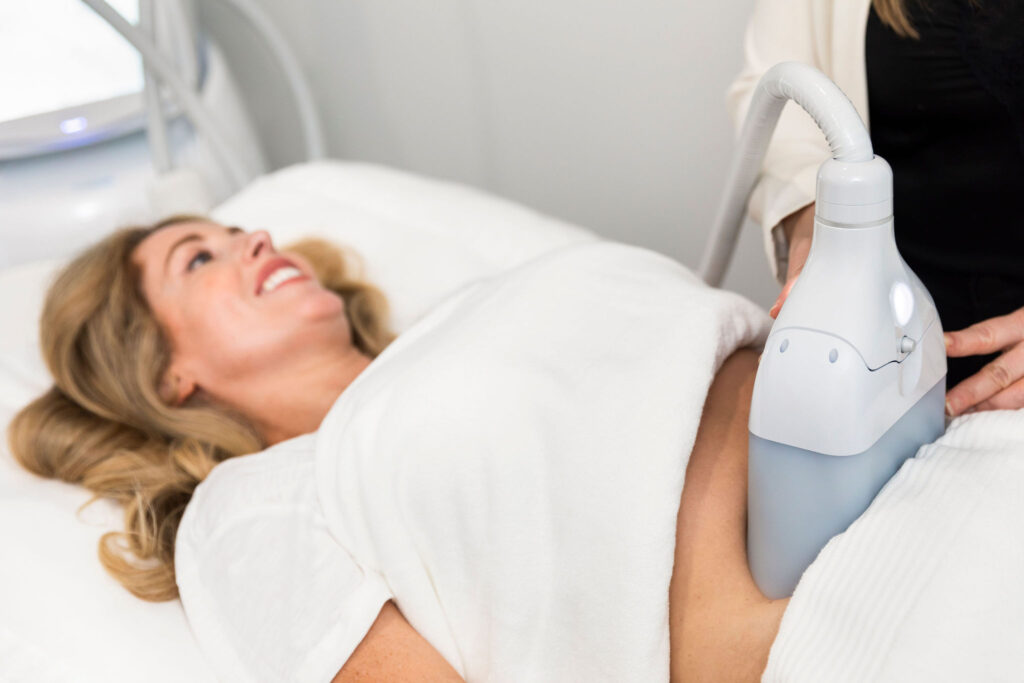
Fat freezing kills fat cells by cooling them to temperatures that trigger programmed cell death-without harming your skin, muscles, or nerves. This process, called cryolipolysis, exploits a simple biological fact: fat cells crystallise and die at warmer temperatures than surrounding tissues.
The science isn’t new. Researchers first noticed this phenomenon over 50 years ago when children developed dimples after sucking on popsicles. Today, that observation has evolved into one of the most researched non-surgical fat reduction treatments available.
Quick Answer
- Fat cells crystallise at temperatures between -5°C and -10°C, while skin cells remain unharmed at these temperatures
- Controlled cooling triggers adipocyte apoptosis (programmed cell death) in targeted fat cells
- Your immune system’s macrophages gradually clear dead fat cells over 4-6 months through the lymphatic system
- Results are permanent because adults have a relatively fixed number of fat cells-eliminated cells don’t regenerate
- Clinical studies show 20-25% fat reduction in treated areas after a single session
The Discovery: From Popsicle Panniculitis to Fat Freezing
The story of fat freezing begins in 1970, when two dermatologists-Ervin Epstein Jr and Mark Oren-published a case study in the New England Journal of Medicine. They documented a curious phenomenon: an infant who developed a red, firm nodule on her cheek after sucking on a popsicle. The cold had destroyed fat cells beneath the skin, leaving the skin itself completely unharmed.
They coined the term “popsicle panniculitis” to describe this cold-induced fat necrosis. Skin samples from affected children showed inflammation in the fat layer but normal overlying skin-a significant observation that would shape cosmetic medicine decades later.
The phenomenon wasn’t limited to children eating ice blocks. Clinicians also documented similar fat loss in equestrian riders who developed inflammation on their thighs after horseback riding in freezing conditions. The pattern was clear: prolonged cold exposure could selectively damage fat tissue without injuring other cells.
Fast forward to 2007, and scientists Dr Dieter Manstein and Dr Rox Anderson at Harvard Medical School’s Wellman Center for Photomedicine asked a critical question: could this natural response be harnessed for controlled fat reduction?
Their research confirmed it could. Testing on pigs showed approximately half an inch of fat layer reduction in treated areas without any damage to overlying skin. They coined the term “cryolipolysis”-from the Greek words cryo (cold), lipo (fat), and lysis (breaking down)-and published their findings in the journal Lasers in Surgery and Medicine.
Why Fat Cells Freeze Before Skin: The Selective Cryolysis Principle
Here’s the fundamental principle that makes fat freezing work: fat cells are more vulnerable to cold injury than water-rich tissues like skin, nerves, and muscle.
Think about butter and water in your refrigerator. The butter solidifies while the water stays liquid. This happens because fats have a higher freezing point than water. The same principle applies inside your body.
Fat cells (adipocytes) contain lipids that begin to crystallise at temperatures between -5°C and -10°C. Your skin cells, which are predominantly water-based, have a lower freezing point-between -2°C and -4°C according to research. This temperature differential creates a therapeutic window where fat cells can be selectively damaged while surrounding tissues remain safe.
During a fat freezing treatment, the device cools the targeted area to temperatures that cross the threshold for fat crystallisation but stay well above the freezing point for skin and other tissues. The process is precisely controlled-typically maintaining temperatures between -1°C and 6°C at the skin surface-cold enough to induce changes in fat cells, but not cold enough to cause frostbite or permanent skin damage.
This selectivity is what separates cryolipolysis from other cold-based treatments. The targeted, controlled cooling affects only the subcutaneous fat layer, leaving the epidermis, dermis, nerves, and blood vessels functionally intact.
Understanding What Cryolipolysis Targets
It’s important to distinguish between the types of fat in your body, as cryolipolysis only affects one of them.
Subcutaneous fat sits directly beneath your skin-it’s the “pinchable” fat you can grab between your fingers. This fat layer varies in thickness across your body, accumulating in common problem areas like the abdomen, flanks, thighs, and upper arms. Subcutaneous fat makes up approximately 80% of total body fat in most people.
Visceral fat is different. This fat wraps around your internal organs deep within your abdominal cavity. You can’t pinch visceral fat, and it’s the type associated with increased risk of cardiovascular disease, type 2 diabetes, and other metabolic conditions.
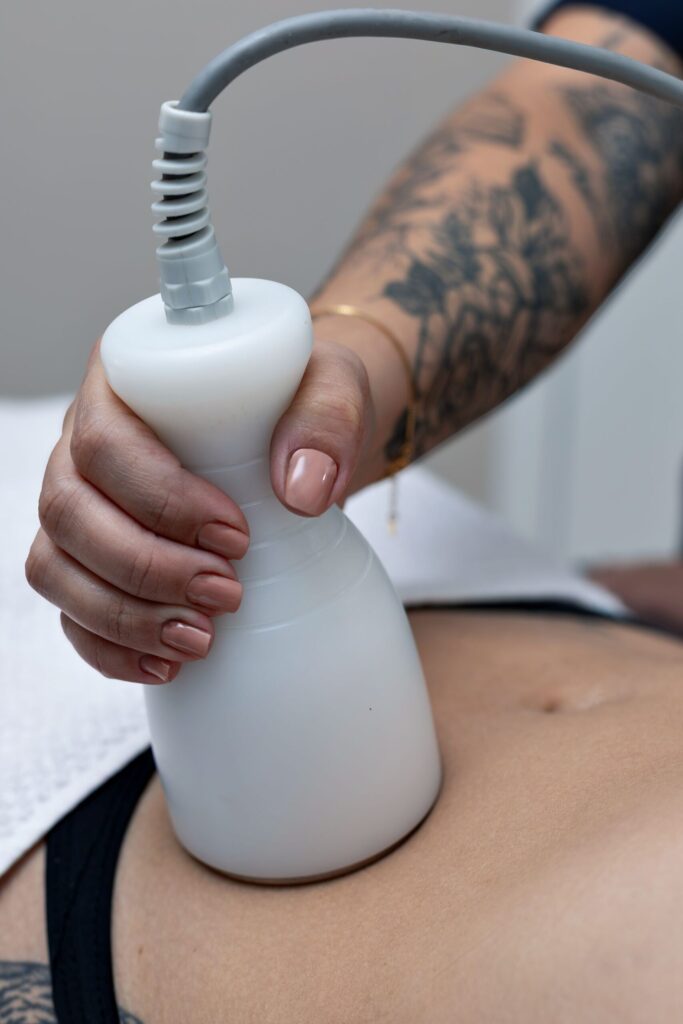
Cryolipolysis exclusively targets subcutaneous fat. The applicators draw the fatty tissue into a cooling cup using vacuum suction, which means only the superficial fat layer that can be pulled into the device receives treatment. The technology cannot reach visceral fat deposits-and wouldn’t be appropriate for addressing them even if it could, since visceral fat reduction requires metabolic changes achieved through diet and exercise.
This distinction matters for setting realistic expectations. If you’re close to your ideal weight but struggle with stubborn subcutaneous fat deposits that resist diet and exercise, cryolipolysis can help. If you’re seeking overall weight loss or reduction of visceral fat, lifestyle changes remain the primary approach.
Inside the Fat Cell: The Crystallisation Process
When fat cells are exposed to controlled cooling, a cascade of cellular events begins.
The lipids stored inside adipocytes start to crystallise. Unlike rapid freezing (which would damage all tissue indiscriminately), the gradual cooling used in cryolipolysis allows intracellular lipids to form crystals that disrupt the cell’s internal structure.
This crystallisation damages the adipocyte’s membrane integrity. The cell can no longer maintain its normal functions-enzyme activity slows, adenosine triphosphate (ATP) levels drop, and the cell’s sodium-potassium pumps begin to fail. Researchers have also documented cellular oedema (swelling) and the release of free radicals from mitochondria as part of this process.
Some scientists propose an additional mechanism: ischaemia-reperfusion injury. The theory suggests that cooling impedes blood flow to the treated area, and when circulation returns, the rush of oxygen creates reactive oxygen species that cause additional cellular damage.
What’s notable is that this damage is targeted. The surrounding dermis and epidermis-being water-rich rather than lipid-rich-don’t experience the same crystallisation cascade. Nerve function studies have shown temporary changes in sensation that resolve completely within weeks, with no structural changes to nerve fibres documented in biopsies.
Programmed Cell Death: How Apoptosis Works
Here’s where fat freezing differs fundamentally from traumatic injury: the crystallisation process triggers apoptosis, not necrosis.
Apoptosis is programmed cell death-the body’s controlled, orderly way of eliminating cells. When apoptosis is activated, the cell essentially dismantles itself from within. The membrane stays intact, preventing the contents from spilling out and causing inflammation. The cell breaks into small packages (apoptotic bodies) that can be safely absorbed by immune cells.
Necrosis, by contrast, is chaotic cell death. The membrane ruptures, cellular contents leak out, and severe inflammation follows. This is what happens with burns, frostbite, or other traumatic injuries-and why they cause scarring.
The cold-induced stress in cryolipolysis activates apoptotic pathways within adipocytes. Research has identified the involvement of caspase enzymes-specifically caspase-3 and caspase-9-which are key triggers in the apoptosis cascade. When these enzymes activate, they set off a chain reaction that leads to controlled cellular breakdown.
This distinction matters clinically. Because cryolipolysis triggers apoptosis rather than necrosis, the treatment doesn’t cause the extensive inflammation, tissue damage, or scarring associated with traumatic fat destruction. The process is gentler on surrounding structures and allows for gradual, natural elimination of damaged cells.
Your Body’s Cleanup Crew: Macrophages and Lymphatic Elimination
Dead fat cells don’t simply disappear. Your immune system has to process and remove them-a gradual process that explains why results take months to fully appear.
The cellular timeline is well documented in research:
Days 1-3: Neutrophils (the first responders of your immune system) begin arriving at the treated area. You might notice some redness, swelling, or tenderness during this phase.
Days 7-14: The inflammatory response peaks. Lymphocytes and histiocytes (types of immune cells) accumulate around damaged adipocytes. Histological studies show adipocytes becoming surrounded by inflammatory cells at this stage.
Days 14-30: Macrophages-your body’s cleanup specialists-arrive in force. These cells are designed to engulf and digest cellular debris. They surround the dying fat cells, consuming the lipid contents and breaking them down.
Weeks 4-12: The phagocytosis process continues. Macrophages digest the fat cell remnants, converting the lipids into fatty acids and glycerol that enter the bloodstream.
Months 3-6: The lymphatic system transports the metabolised fat cell contents to the liver for processing. The fat layer in the treated area progressively thins as dead cells are cleared and no new fat cells replace them.
This gradual elimination is why practitioners recommend waiting 6-8 weeks between treatments to the same area-the body needs time to complete the clearance process before additional treatment makes sense.
Research has consistently shown no negative effects on blood lipid levels or liver function during this elimination phase. The gradual nature of the process prevents any sudden surge that might overwhelm the body’s metabolic capacity.
Why Results Are Permanent: The Science of Fat Cell Elimination
One of the most compelling aspects of cryolipolysis is the permanence of results-and this comes down to a fundamental fact about adult human biology.
A groundbreaking 2008 study published in Nature, led by researcher Kirsty Spalding at the Karolinska Institute in Sweden, used carbon-14 dating to track fat cell turnover in humans. The findings were remarkable: the total number of fat cells in your body is established during childhood and adolescence, then remains relatively constant throughout adulthood.
While approximately 10% of fat cells die and are replaced each year, the total number stays stable. This is true whether you’re lean or obese-your fat cells change in size (getting larger when you gain weight, smaller when you lose it), but the overall count remains fixed.
This research included people who underwent bariatric surgery and lost massive amounts of weight. Even after dropping an average of 18 BMI points, the number of fat cells in their bodies remained unchanged. The cells had shrunk dramatically, but they hadn’t disappeared.
Here’s why this matters for cryolipolysis: when fat freezing destroys adipocytes through apoptosis, those cells are eliminated from the body. And because adults don’t readily generate new fat cells to replace them, the treated area has fewer fat cells permanently.
This is fundamentally different from diet and exercise. When you lose weight through lifestyle changes, you shrink your existing fat cells-but they’re still there, ready to expand again if you consume excess calories. After cryolipolysis, the treated area has a reduced capacity for fat storage because some of the storage containers have been removed entirely.
Of course, the remaining fat cells throughout your body can still expand if you gain weight. Maintaining results requires maintaining a stable weight. But the proportional reduction in the treated area persists.
How 360° Cooling Makes a Difference
Not all fat freezing devices are created equal. The technology has evolved significantly since the first cryolipolysis devices entered the market, and the method of cooling delivery substantially affects treatment efficacy.
Early devices used two-sided cooling panels-the fat tissue was sandwiched between two cold plates. While effective, this approach meant the centre of the treatment area received less cooling than the edges in contact with the plates.
The Clatuu 360° technology represents an advancement in cooling delivery. Rather than cooling from two sides, the applicator delivers cooling to the entire circumference of the tissue drawn into the cup. This surround cooling approach addresses a larger treatment surface area more uniformly.
Clinical data supports the improved efficacy. The 360° approach increases the effectiveness of fat reduction by up to 18.1% compared to conventional two-sided methods. This translates to more consistent results across the treated area and potentially fewer sessions needed to achieve target outcomes.
A clinical study conducted by Dr Adrian Lim at Royal North Shore Hospital evaluated the Clatuu technology specifically. In one cohort of 42 patients, 79% noticed fat reduction on themselves at 2-4 months. In a larger study of 50 patients, 89% showed noticeable improvement in photography at 6 months, with 80% reporting satisfaction with their results.
The dual applicator design also means two areas can be treated simultaneously, reducing overall treatment time without compromising efficacy.
What Practitioners Observe During Treatment
Beyond the published research, there’s valuable insight in what practitioners observe during treatments.
When the applicator first draws tissue into the cooling cup, the fat layer takes on a distinctive appearance-practitioners often describe it as resembling a frozen stick of butter. This visual indicator confirms that the cooling is reaching the target temperature for lipid crystallisation.
Initially, clients experience intense cold and a pulling sensation from the vacuum suction. These sensations typically diminish within 5-10 minutes as the treated area becomes numb. This numbness is actually a sign that the cooling is working effectively-the nerve endings temporarily stop transmitting sensation at these temperatures.
After treatment, when the applicator is removed, the treated tissue appears reddened and firm. Practitioners typically perform a brief massage to help redistribute blood flow and begin breaking up the crystallised tissue. Some redness and numbness may persist for days to weeks, depending on individual response.
The most common feedback from clients in the weeks following treatment is gradual, progressive change. Because the fat cell elimination happens over months, results develop naturally rather than appearing suddenly-which many people appreciate as it avoids the “obviously had work done” appearance.
The Science Continues to Evolve
Cryolipolysis research continues to advance our understanding of both the mechanism and optimal treatment protocols.
Recent studies have explored additional benefits beyond fat reduction. Some research suggests cryolipolysis may stimulate neocollagenesis-the production of new collagen-through the mechanical stretching effect of the vacuum applicator. Clinical observations have noted improved skin firmness in treated areas, though the exact mechanism is still being investigated.
Researchers are also examining how cryolipolysis might affect the conversion of white adipose tissue (the standard fat storage cells) to beige or brown adipose tissue (metabolically active cells that burn energy). While preliminary, this research suggests potential metabolic benefits beyond simple fat cell elimination.
The combination of cryolipolysis with other technologies is another active research area. Protocols combining fat freezing with shock wave therapy, radiofrequency, or manual massage are being studied for potentially enhanced results.
What remains constant across all the research is the core scientific principle: controlled cooling can selectively destroy fat cells through apoptosis, with the body’s own immune system handling the gradual elimination of the cellular debris. It’s a process grounded in decades of scientific observation, from children’s popsicles to sophisticated clinical trials.
Sources
- Epstein EH Jr, Oren ME. Popsicle panniculitis. N Engl J Med. 1970;282(17):966-7.
- Manstein D, Laubach H, Watanabe K, Farinelli W, Zurakowski D, Anderson RR. Selective cryolysis: a novel method of non-invasive fat removal. Lasers Surg Med. 2008;40(9):595-604.
- Spalding KL, Arner E, Westermark PO, et al. Dynamics of fat cell turnover in humans. Nature. 2008;453(7196):783-7.
- Kania B, Goldberg DJ. Cryolipolysis: A promising nonsurgical technique for localized fat reduction. J Cosmet Dermatol. 2023;22 Suppl 3:1-7.
- Royal North Shore Hospital Clinical Study on CLATUU. Available from Body Catalyst clinical studies archive.