The pelvic floor is a complex structure composed of muscles, ligaments, and fascia that plays a crucial role in maintaining pelvic health. The pelvic floor muscles, also known as the pelvic diaphragm, span the floor of the pelvis and support the pelvic organs, including the bladder, uterus, prostate, and rectum. These muscles work together to stabilize the pelvis and spine, assist with sexual function, and maintain bowel and bladder control.
The pelvic floor muscles are made up of several layers, including the pubococcygeus muscle, the iliococcygeus muscle, and the coccygeus muscle. These layers collaborate to provide support and stability to the pelvic organs, ensuring they function correctly. Additionally, the pelvic floor muscles play a crucial role in sexual function, facilitating orgasm and ejaculation. Understanding the anatomy and functions of the pelvic floor is essential for recognizing the importance of maintaining pelvic health.
The Impact of Pelvic Floor Dysfunction
Effects on Pelvic Health
Pelvic floor dysfunction can significantly impact pelvic health, affecting not only the pelvic floor muscles but also the surrounding organs and tissues.
If you experience any of these symptoms, it’s essential to seek medical attention. Pelvic floor physical therapy can help address these conditions and improve pelvic health. A pelvic floor physical therapist can assess and treat pelvic floor dysfunction, providing exercises and techniques to strengthen the pelvic floor muscles and enhance overall pelvic health.
Conditions Treated by Pelvic Floor Physical Therapy
Common Conditions
Pelvic floor physical therapy is a specialized form of physical therapy that focuses on treating conditions related to the pelvic floor muscles. Some common conditions treated by pelvic floor physical therapy include:
Pelvic floor dysfunction: This broad term refers to any condition affecting the pelvic floor muscles, including weakness, tightness, or pain.
Pelvic pain: A common condition affecting both men and women, pelvic pain can be caused by muscle tension, inflammation, or nerve sensitivity.
Pelvic organ prolapse: This condition occurs when pelvic organs, such as the bladder or uterus, drop or prolapse into the vagina.
Urinary incontinence: Involuntary leakage of urine, often due to weakness or dysfunction in the pelvic floor muscles.
Bowel incontinence: Involuntary leakage of stool, which can be uncomfortable and affect daily life.
Sexual dysfunction: Difficulties with sexual function, including pain or difficulty with orgasm, often related to pelvic floor muscle issues.
Pelvic floor physical therapy can effectively address these conditions, improving overall pelvic health and quality of life.
Strengthening your pelvic floor, How does it work?
Pelvic floor physiotherapy is a specialized form of physical therapy that focuses on treating conditions related to the pelvic floor muscles. The pelvic floor muscles or the levator ani muscle group are a group of muscles that enable the different organs in the pelvic region to work efficiently. The muscles of the pelvic floor are attached from the front and back wall of the pelvis and extend to the pubic bone in the front and tail bone (coccyx) in the back.
These muscles support the urinary bladder, uterus, rectum, and bowels. The pelvic floor is mainly made up of involuntary muscles. This means that they are not under the voluntary control of an individual, however, this does not mean that an individual cannot control these muscles; rather it means that the brain does not send signals to these muscles for efficient functioning, it’s almost as if they have a mind of their own.
Pelvic floor therapy is recommended as a first-line remedy for many disorders of the pelvic region, and both men and women with pelvic floor dysfunction causing weakness in pelvic floor muscles leading to an overactive bladder. The patient can perform exercises to strengthen the floor and enhance bladder and bowel control.
Pelvic floor physiotherapists provide tailored exercise regimens and interventions, including Kegel exercises, to improve the quality of life for individuals experiencing pelvic floor dysfunction.
When you begin pelvic floor therapy, a physical therapist (PT) will learn more about your symptoms, using the following methods.
Your physical therapist will check your core muscles to see how strong they are, along with how much core endurance you have.
Your physical therapist will also have you try certain activities and positions to check the coordination of your pelvic floor muscles.
Your physical therapist will work with you to perform pelvic floor muscle exercises and teach you about pelvic floor muscle control.
Pelvic floor physical therapy: home pelvic floor muscle exercises
You will likely begin pelvic floor physical therapy with a home exercise program.
At first, your physical therapist will likely recommend that you complete your exercises 3 times a day, 2-3 times a week. As you progress, your physical therapist may change your exercises to 1-2 times a day.
It’s important that you practice your exercises regularly. Be patient, as it may take several weeks to see your improvement. Pelvic floor rehabilitation is crucial for ongoing therapy and recovery, especially for individuals dealing with pregnancy and postpartum recovery.
Pelvic Floor Dysfunction Alternatives
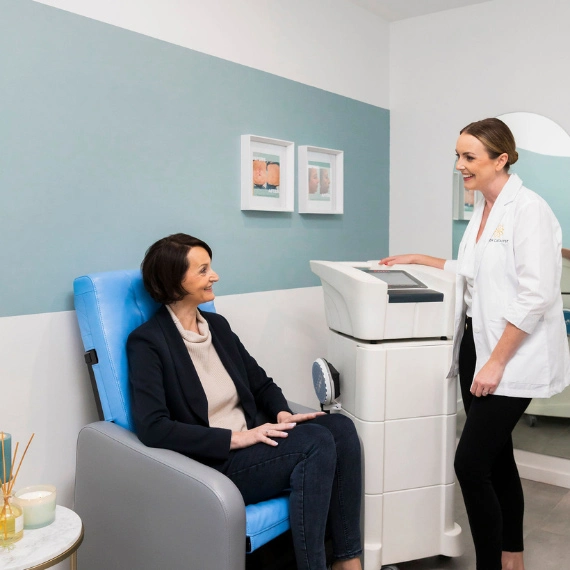
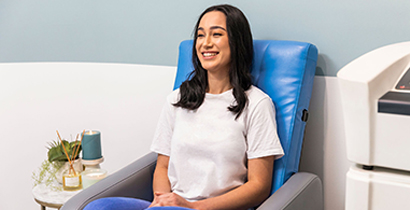
Are there other alternatives to help me strengthen my pelvic floor? At Body Catalyst the TeslaChair treatment is a good addition to supplement pelvic floor therapy assisting with rehab after surgery, help with leakage, incontinence, drooping in the uterus or bladder etc.
Holistic approaches, including specialized physical therapy techniques, are essential to effectively treat pelvic pain and improve overall quality of life.
Book a complimentary consultation with our Aesthetic & Wellness Therapists. During your complimentary consultation, your body expert will help answer any questions you may have about the technology and treatment process. From there, we will work with you to customise and recommend the best treatment program options to help you achieve your body goals.