Is your skin pink, a bit tight and slightly prickly after SQT Bio-Microneedling? Don’t worry, that’s normal.
The first two weeks follow a predictable pattern, and it’s much easier to relax into the process when you know what each stage looks like. This guide walks you through SQT microneedling aftercare from treatment day to the two-week mark, so you know what’s normal, what to do and when your skin will start to look its best.
Key Takeaways
- Day 1: Redness, warmth, tightness and a prickly feel are all expected. Keep water, cleanser and makeup off your face.
- Days 2 to 3: A gentle cleanser comes back in. Skin can feel a little rough, like fine sandpaper.
- Days 3 to 5: Flaking starts for most people. Some flake a lot, some hardly at all, and both are fine.
- Day 7: Fresher, smoother-looking skin begins to show.
- The Routine: SQT recovery serum morning and night for seven days, SPF 50+ every day, and a typical course of three sessions spaced two to three weeks apart.
What Your Skin Feels Like Straight After Treatment
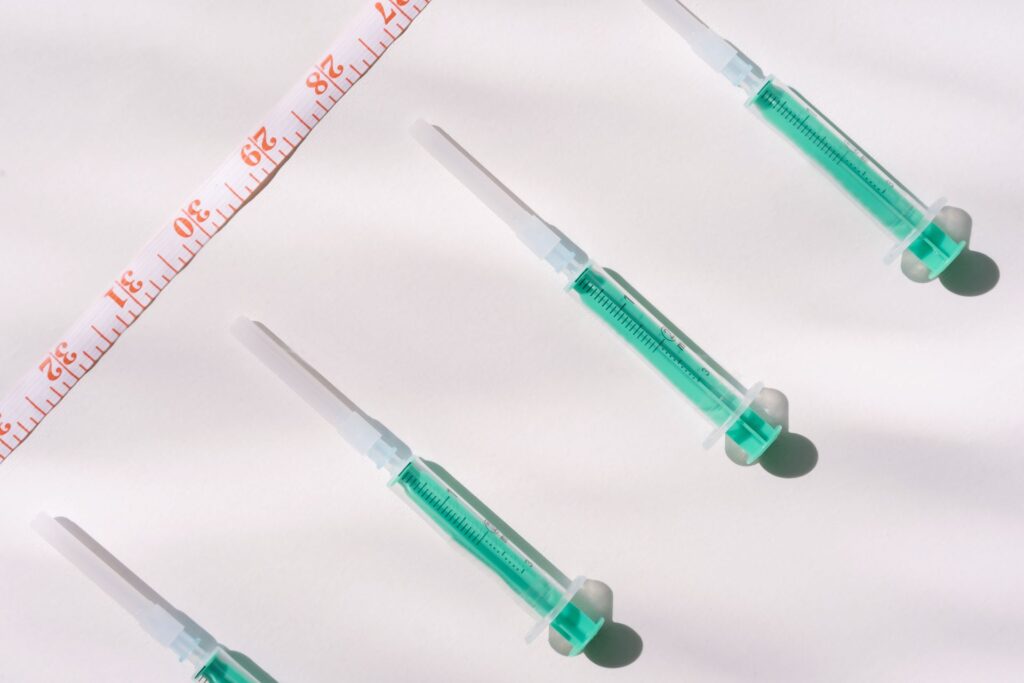
SQT Bio-Microneedling uses spongilla spicules, which are tiny silica structures taken from freshwater sponges. They’re massaged into the skin over about 15 minutes, with no metal needles and no numbing cream.
When you leave the clinic, you’ll probably notice three things:
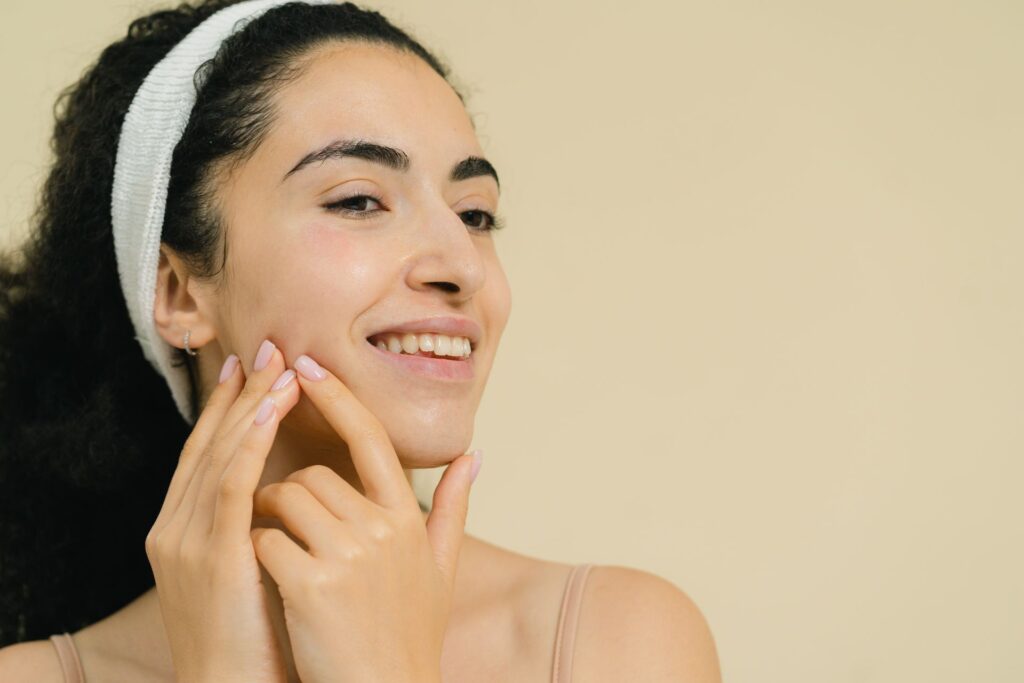
- Redness: Similar to mild sunburn across the treated area. It’s most obvious in the first few hours and settles over a day or two.
- Warmth: Your skin may feel like it’s radiating heat. That’s extra blood flow, and it’s part of the response we’re after.
- A prickly sensation: Touch your cheek, and you may feel tiny pinpricks. The spicules are still in your skin, which is why it feels that way.
That last one catches plenty of first-timers off guard. Research on sponge spicules used as topical microneedles found that they remain in the skin for at least 72 hours, creating sustained micro-channels. A pilot study using spongilla biomicroneedles reported that they persist for 72 to 120 hours. So if your skin still tingles on day two, that’s entirely expected as it’s being gently stimulated around the clock.
SQT Bio-Microneedling Aftercare Day by Day
Day 1: Hands Off & No Water
The most important rule on treatment day is simple: no water on your face. That means no cleanser, shower spray or splashing at the sink before bed.
Why? The spicules need to stay put to finish their job. Rinse them away early, and you’re cutting your treatment short. Wash your body as usual from the neck down, keep your face out of the stream, and try not to touch or poke at your skin.
Sleep on a clean pillowcase and save the gym for another day, since sweat and friction can add to the redness.
Days 2 to 3: Gentle Cleansing
From day two, you can bring back a mild cleanser with lukewarm water. Pat dry with a clean towel. Skip scrubs, flannels and cleansing brushes.
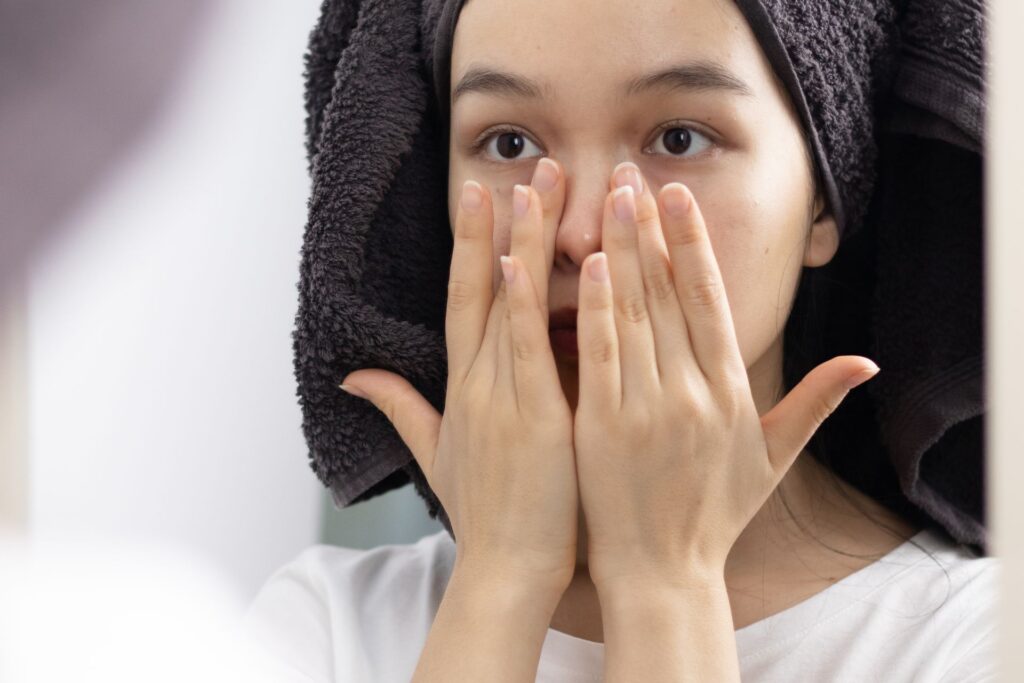
Your skin may feel tight and a bit rough, and some people notice slight puffiness around the eyes. All of this is common and eases over time. Hold off on makeup for the first 24 to 48 hours. After that, keep it light and mineral-based if you can.
Days 3 to 5: The Peeling Phase
This is the stage that surprises people most, so here’s a heads up. Flaking typically starts around the nose and mouth before spreading across the cheeks and forehead. It can look dramatic in the mirror and feel quite dry.
Let the flakes lift away by themselves. Picking or scrubbing at them can irritate the fresh skin underneath and may result in irritation or pigmentation, so a little patience goes a long way. Keep applying your recovery serum and let your skin do the work.
Days 5 to 7: New Skin Appears
By around day seven, most clients see the payoff. Redness has cleared, flaking has finished, and the skin looks clearer, smoother and more even. Body Catalyst’s SQT Bio-Microneedling is built around this seven-day renewal window.
Week 2: The Glow Keeps Building
Surface renewal is done, but collagen remodelling runs on a longer timeline. Texture, firmness, and tone continue to improve over the following weeks, which is why many people feel their skin looks even better at the two-week mark than it did at day seven.
Understanding the SQT Recovery
Traditional microneedling can take around four weeks to show its full results. SQT’s spicule approach works on a faster rhythm.
Body Catalyst’s SQT Bio-Microneedling treatment creates millions of micro-channels in a single session, compared with around 30,000 from traditional microneedling, and brings the skin’s renewal cycle down from about 28 days to roughly seven. Those channels are created by thousands of tiny spicules acting throughout the treated area, which is why a single SQT session is considered equivalent to several traditional sessions.
How to Use Your SQT Recovery Serum
You’ll leave your appointment with an SQT recovery serum. It plays a big part in your SQT Bio-Microneedling aftercare, so it’s a good one to use as directed.
Apply it morning and night for seven days after treatment. Smooth it over clean skin using light pressure and let it settle before anything else goes on top. The micro-channels are open during this window, so your skin is especially receptive to good ingredients.
Skip your usual serums for the week. This includes retinol, vitamin C and acid toners; they can all wait until your skin has settled.
What to Avoid During Aftercare
Every SQT aftercare routine has a list of what to avoid. Here’s why.
- Direct Sun: Fresh skin is more prone to irritation and pigmentation. Australia’s UV is strong, so daily sun protection is a habit that pays off well beyond this week.
- Active Ingredients: Retinoids, vitamin C, AHAs, BHAs and benzoyl peroxide can sting and prolong redness if used too early. Wait until your therapist gives the all-clear.
- Strong Exfoliants: Scrubs, peels, brushes and exfoliating tools can overwhelm renewing skin.
- Makeup for the First 24 to 48 Hours: Giving your skin room to breathe helps it settle faster.
- Heat: Saunas, steam rooms and very hot showers can add to redness for the first few days.
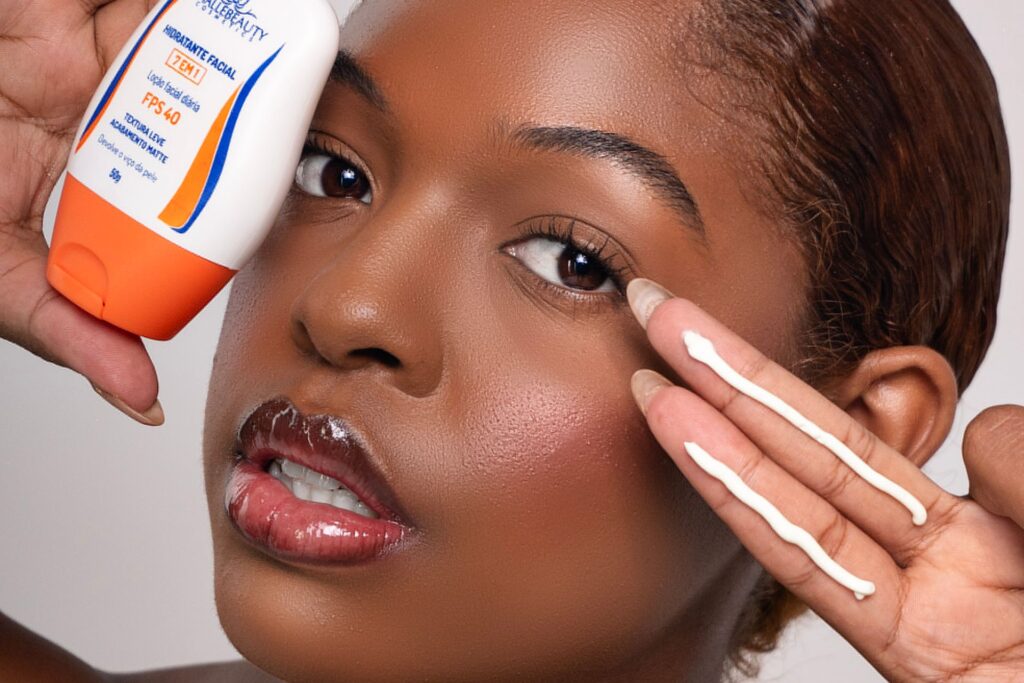
Cancer Council recommends sun protection whenever the UV Index reaches 3 or above, and ARPANSA says to check it even on cool or overcast days. Choose an SPF 50+ sunscreen, wear it daily, along with a hat, and stay out of midday sun while your skin renews.
Why Do Some People Peel More Than Others?
Peeling varies from person to person depending on:
- Your Skin’s Starting Condition: Textured, sun-affected or congested skin often flakes more visibly.
- Skin Thickness & Turnover: Thicker skin tends to shed more noticeably.
- How Many Sessions You’ve Had: First treatments frequently produce the most dramatic shedding. By the third, there’s simply less dead surface tissue to shed.
- Hydration: Well-hydrated skin usually flakes more subtly.
Light peeling doesn’t mean the treatment isn’t working. The spicules create the same micro-channels, and the renewal process happens either way. Judge your result by how your skin looks around day seven.
What’s Normal and When Should You Call Your Clinic
Completely expected:
- Redness lasting two to five days
- Warmth and a prickly feel when touched
- Tightness and dryness
- Mild swelling
- Flaking and a rough texture
- Temporary sensitivity
Time for a quick call to your clinic:
- Redness that intensifies after day five
- Blistering, weeping or crusting
- Significant pain
- A spreading rash or any signs of infection
Research into spicule-based treatment found skin disruption is self-limiting and recovers efficiently over time, so a reaction heading the wrong direction is unusual and deserves a look.
If you’re prone to cold sores, tell your therapist before treatment, since any skin stimulation can trigger a flare.
How Results Build Across a Full Course
One session brings a visible change. A course builds on it.
The typical protocol is three sessions spaced two to three weeks apart. That gap allows your skin to complete a full renewal cycle before the next round begins. Some concerns, such as deeper acne scarring or established pigmentation, may benefit from additional sessions.
A pilot study of 10 women with visible signs of ageing found spongilla biomicroneedling was followed by improved hydration and barrier function, as well as visible reductions in hyperpigmentation, redness and wrinkles. It’s early research with a small group, but it fits with what clients tell us in clinic.
Here’s a rough picture of how it unfolds:
- Session 1: Brighter, clearer skin.
- Session 2: Smoother texture and a more even tone.
- Session 3: Firmer-feeling skin and softer fine lines.
Many clients pair their course with other treatments. If skin laxity is a concern alongside texture, a skin tightening treatment targets the structural layer, while HIFU body sculpting addresses overall body contour and firmness. Our breakdown of SQT Bio-Microneedling vs other treatments covers how these stack together.
The Week Ahead
Over the next seven days, your skin does the rest: pink, flaking, then fresh. Keep your face dry on day one, cleanse gently from day two, leave the flakes alone, use your serum twice a day and wear your SPF.
Your Body Catalyst therapist will give you tailored SQT Bio-Microneedling aftercare guidance as part of your treatment plan. If you’re new to treatment, we can also assess suitability and build an individualised plan. Start with a free consultation.